


Video game balance is a critical aspect of game design that ensures a fair, engaging, and enjoyable experience for players. Achieving perfect balance involves careful consideration of various elements, from character abilities to level design, to ensure no single aspect of the game is overpowered or underwhelming. This balance not only enhances player satisfaction but also boosts game longevity and revenue.
In this comprehensive guide of Polydin Game Art studio, we will explore what video game balance is, why it is essential, the elements that contribute to a balanced game, and strategies to achieve perfect balance. We’ll also discuss the benefits of well-balanced games, effective balancing techniques, and how to tailor balance for different game types, from single-player adventures to competitive multiplayer games. By mastering these concepts, game developers can create captivating experiences that keep players coming back for more.
What is Video Game Balance?
Video Game balance refers to the process of designing a video game so that all elements within it, such as characters, abilities, weapons, and levels, provide a fair and engaging experience for all players. The goal is to ensure that no single aspect of the game is overwhelmingly powerful or disproportionately weak, which could lead to frustration or boredom. A well-balanced game allows for various strategies and playstyles to be viable, making the gameplay challenging yet rewarding.
Why is Video Game Balance Important?
1. Enhances Player Experience
Balanced games provide a fair challenge, making the game enjoyable and engaging. Players feel rewarded for their skills and strategies, which keeps them motivated to continue playing and improving.
2. Increases Game Longevity
When a game is well-balanced, players are more likely to stay engaged over a longer period. This sustained interest can lead to a more active and loyal player base, which is beneficial for the game’s community and its longevity.
3. Encourages Fair Competition
In multiplayer games, balance is crucial for maintaining fair competition. Ensuring that no player or team has an inherent advantage over others helps keep the gameplay competitive and fun for everyone involved.
4. Boosts Revenue
A balanced game can lead to higher player retention rates, which translates into more consistent revenue streams from game sales, in-game purchases, and subscriptions. Happy, engaged players are more likely to spend money on additional content and recommend the game to others.
5. Fosters a Positive Community
A well-balanced game helps in building a positive community around it. Players are more likely to discuss strategies, share experiences, and participate in the community, contributing to a healthier and more vibrant player base.
6. Facilitates Esports Potential
For games with a competitive edge, balance is essential for the game’s success in the esports arena. Balanced mechanics ensure that skill and strategy are the primary determinants of success, making the game more appealing to both players and spectators.
In summary, video game balance is a foundational aspect of game design that enhances the player experience, promotes fair competition, and contributes to the game’s success and longevity. Achieving and maintaining game balance is a complex but essential task for any game developer aiming to create a compelling and enduring gaming experience.
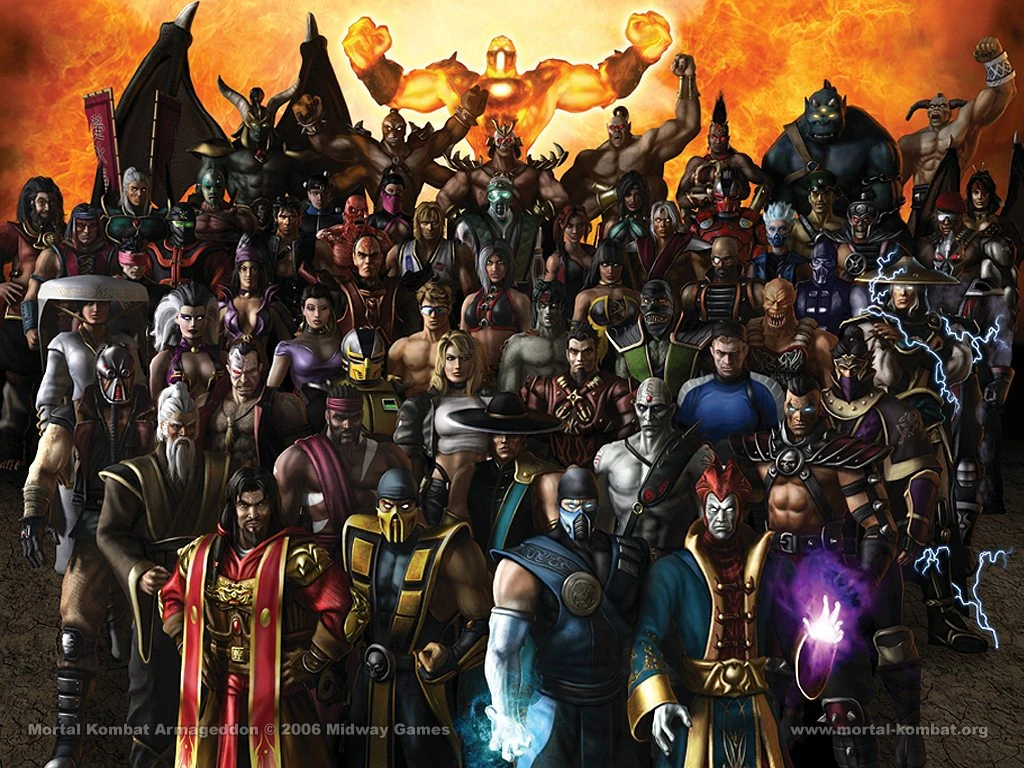
What are the Elements of Balanced Game?
Achieving video game balance involves a multitude of elements that work together to create a fair and engaging experience for players. Here are the key components that contribute to a balanced game:
1. Character Abilities and Attributes
- Diversity and Fairness: Each character or class should have unique abilities and attributes that are equally viable in different scenarios. No character should be inherently stronger or weaker than others.
- Skill Trees and Progression: Ensure that skill trees and progression systems allow for meaningful choices without creating overpowered builds.
2. Weapons and Equipment
- Variety and Accessibility: Offer a range of weapons and equipment that cater to different playstyles. Each option should have its strengths and weaknesses.
- Balance in Power: Weapons and equipment should be balanced so that no single item dominates the gameplay.
3. Level and Environment Design
- Challenge and Reward: Levels should provide a balanced mix of challenges and rewards, ensuring a smooth difficulty curve.
- Fair Layout: Design environments that do not unfairly advantage or disadvantage any particular playstyle or character.
4. Enemy Design
- Varied Behavior: Enemies should have varied behaviors and difficulty levels, providing a range of challenges without being overwhelming.
- Balanced Encounters: Ensure that enemy encounters are balanced in terms of number, strength, and tactics to maintain a fair challenge.
5. Game Mechanics and Rules
- Consistent Rules: The game’s rules should be clear, consistent, and applied equally to all players.
- Mechanic Interactions: Ensure that game mechanics interact in a balanced way, preventing any single mechanic from becoming dominant.
6. Economy and Resource Management
- Fair Distribution: Resources such as health, ammo, and currency should be distributed fairly throughout the game.
- Balanced Economy: The in-game economy should be balanced to prevent inflation or resource scarcity, maintaining player engagement.
7. Player Skill and Strategy
- Skill-Based Challenges: Design challenges that reward player skill and strategy rather than luck or repetition.
- Adaptability: Ensure that the game allows for various strategies and playstyles to be effective, encouraging creative problem-solving.
8. Multiplayer Considerations
- Matchmaking: Implement fair matchmaking systems that pair players of similar skill levels.
- Balance Patches: Regularly update the game to address any balance issues that arise, keeping the competitive scene fair and engaging.
By carefully balancing these elements, game developers can create a harmonious and engaging experience that keeps players invested and ensures fair competition. A balanced game is more enjoyable and has a better chance of long-term success.
How to Reach a Perfect Game Balance for Better Game Revenue
Achieving perfect game balance is essential not only for player satisfaction but also for maximizing game revenue. A well-balanced game retains players longer, fosters a loyal community, and encourages in-game spending. Here are strategies to reach that perfect balance:
1. Iterative Playtesting
- Continuous Testing: Regularly test your game with different player demographics to identify balance issues. Use both internal and external testers to get a broad range of feedback.
- Data-Driven Adjustments: Collect and analyze gameplay data to understand how players interact with various game elements. Adjust the balance based on empirical evidence rather than assumptions.
- Beta Testing: Release beta versions of your game to a select group of players. This provides real-world feedback and highlights any balance issues before the full launch.
2. Implementing Dynamic Difficulty
- Adaptive Systems: Implement systems that adjust the game’s difficulty based on the player’s skill level. This keeps the game challenging for experienced players while remaining accessible to newcomers.
- Personalized Experiences: Allow players to choose their difficulty level or adjust it dynamically based on their performance, ensuring a tailored experience that keeps them engaged.
3. Embracing Community Feedback
- Active Engagement: Maintain open communication channels with your player base through forums, social media, and in-game surveys. Actively listen to their feedback and concerns regarding video game balance.
- Community Patches: Regularly release patches and updates that address balance issues highlighted by the community. This shows players that their feedback is valued and helps maintain a balanced game environment.
- Feedback Loops: Create structured opportunities for players to provide feedback, such as dedicated feedback forms or community Q&A sessions. Use this input to guide future balancing decisions.
4. Monitoring Game Data
- Analytics Tools: Utilize advanced analytics tools to monitor in-game metrics such as win/loss ratios, usage statistics for characters and items, and player progression data.
- Heatmaps and Reports: Analyze heatmaps and detailed reports to identify areas where players struggle or excel disproportionately. Use this data to fine-tune game elements for balance.
- Automated Monitoring: Set up automated systems to detect balance issues, such as characters or weapons with abnormally high success rates, and flag them for review.
5. Balancing for Different Game Types
- Single-Player vs. Multiplayer: Recognize that balancing needs differ between single-player and multiplayer games. Single-player balance focuses on providing a satisfying solo experience, while multiplayer balance aims for fair competition.
- Competitive Balance: In competitive games, ensure that all players have an equal chance of success. Regularly update the game to counteract any emergent strategies or exploits that disrupt balance.
- Sandbox Games: For sandbox games, balance the availability and effectiveness of different tools and resources to ensure that players have the freedom to explore without certain options being overly dominant.
6. Continuous Improvement and Updates
- Regular Patches: Implement regular balance patches to keep the game fair and engaging. This shows a commitment to maintaining a high-quality game experience and addresses any emerging balance issues.
- Long-Term Monitoring: Continuously monitor the game’s balance over its lifespan. Stay adaptable and ready to make necessary changes based on player feedback and gameplay data.
- Community Involvement: Involve the community in the balancing process by holding public tests or feedback sessions for upcoming balance changes. This fosters a sense of ownership and investment among players.
By employing these strategies, developers can achieve a well-balanced game that enhances player satisfaction and retention, ultimately leading to better game revenue. Balanced gameplay keeps players engaged, encourages them to spend more time and money in-game, and helps build a loyal player base that supports the game over the long term.
Benefits of Game Balancing
Achieving game balance is not just a design goal but a fundamental necessity for creating a successful and sustainable video game. Here are the key benefits of game balancing:
1. Enhanced Player Experience
- Fair and Enjoyable Gameplay: Balanced games provide a fair challenge that keeps players engaged and entertained. When players feel that the game is just the right amount of challenging, it enhances their overall enjoyment and satisfaction.
- Increased Engagement: Players are more likely to stay engaged with a game that offers a balanced experience. They will keep coming back to the game if they find it consistently rewarding and challenging without being frustrating.
2. Increased Game Longevity
- Player Retention: A well-balanced game keeps players interested for longer periods. This retention is crucial for building a dedicated player base and fostering a long-lasting game community.
- Content Updates and Expansions: Balanced gameplay allows for smoother integration of new content and expansions. Players who trust the balance of the game are more likely to embrace new updates and continue playing.
3. Fair Competition
- Level Playing Field: In multiplayer games, balance ensures that all players have an equal chance of success. This fairness is critical for maintaining a competitive and enjoyable environment.
- Positive Community: Fair competition fosters a positive community. Players are less likely to become frustrated or feel cheated, leading to a more supportive and friendly player base.
4. Boosted Revenue
- Monetization Opportunities: Balanced games tend to have higher player retention rates, which translates into more consistent revenue streams from in-game purchases, subscriptions, and expansions.
- Player Recommendations: Satisfied players are more likely to recommend the game to others. Word-of-mouth marketing can significantly boost game sales and revenue.
5. Better Reviews and Ratings
- Positive Feedback: Balanced games receive better reviews and higher ratings from players and critics alike. Positive feedback enhances the game’s reputation and attracts new players.
- Critical Acclaim: Achieving balance is often a hallmark of high-quality game design, earning the game acclaim within the gaming industry and among peers.
6. Fosters Skill Development
- Rewarding Skill: Balanced games reward player skill and strategy rather than luck or repetitive actions. This encourages players to develop their skills and engage deeply with the game’s mechanics.
- Learning Curve: A balanced game provides an appropriate learning curve that helps players improve over time, keeping the experience challenging yet accessible.
7. Facilitates Esports Potential
- Competitive Integrity: Balanced games are essential for the success of esports. They ensure that skill and strategy are the primary determinants of success, making the game more appealing to both players and spectators.
- Spectator Engagement: Well-balanced games create exciting and unpredictable matches, which are crucial for engaging spectators and building a thriving esports scene.
8. Encourages Creative Play
- Diverse Strategies: Balance allows for multiple viable strategies and playstyles, encouraging players to experiment and find their preferred ways of playing.
- Innovative Gameplay: When all elements of the game are balanced, players can explore the full range of gameplay mechanics and possibilities, leading to innovative and creative play.
In summary, game balancing offers numerous benefits, from enhancing the player experience and increasing game longevity to boosting revenue and supporting a positive community. By prioritizing balance, developers can create games that are fair, engaging, and rewarding, ensuring long-term success and player satisfaction.
Strategies for Balancing in Video Game Design
Balancing a video game is a complex and ongoing process that requires careful planning and execution. Here are some effective strategies for achieving and maintaining game balance:
Iterative Playtesting
- Continuous Testing: Playtesting is an essential part of game development that involves testing the game repeatedly throughout its development cycle. This helps identify balance issues early and allows for incremental improvements.
- Feedback Loops: Use feedback from playtesters to make adjustments. This should be an ongoing process where changes are tested, feedback is collected, and further adjustments are made as necessary.
- Diverse Test Groups: Involve a wide range of playtesters, including both experienced and novice players, to get a comprehensive view of how different demographics interact with the game. This ensures that the game is balanced for a broad audience.
- Focused Testing: Conduct specific tests to focus on particular aspects of the game, such as character abilities, video game level design, or in-game economy. This helps identify and address specific balance issues more effectively.
Implementing Dynamic Difficulty
- Adaptive Difficulty: Implement systems that adjust the game’s difficulty based on the player’s performance. For example, if a player is struggling, the game can become slightly easier, while if they are excelling, it can become more challenging.
- Personalization: Allow players to choose or adjust their difficulty level. This can be done through in-game settings or by offering different difficulty modes that cater to varying skill levels.
- Real-Time Adjustments: Some games use real-time difficulty adjustments, such as scaling enemy strength or altering resource availability based on the player’s current situation. This keeps the game challenging and engaging for all players.
- Predictive Systems: Use machine learning algorithms to predict a player’s skill level and adjust the game accordingly. This can create a more personalized and balanced experience.
Embracing Community Feedback
- Active Engagement: Engage with the player community through forums, social media, and in-game feedback tools. This allows you to gather real-time insights into how players perceive the game’s balance.
- Transparent Communication: Keep the community informed about balance changes and updates. Explain the rationale behind changes to help players understand and accept them.
- Surveys and Polls: Use surveys and polls to gather specific feedback on balance issues. This can provide valuable quantitative data to guide your balancing efforts.
- Beta Testing: Conduct public beta tests to gather feedback from a larger audience before the full release. This can highlight balance issues that might not have been apparent during internal testing.
Monitoring Game Data
- Analytics Tools: Utilize advanced analytics tools to track in-game metrics such as win/loss ratios, character usage rates, and player progression. This data provides objective insights into balance issues.
- Heatmaps and Behavior Tracking: Analyze heatmaps and player behavior to identify areas where players face disproportionate difficulty or ease. This helps in pinpointing specific balance problems.
- Automated Alerts: Set up automated systems to flag potential balance issues, such as characters or items with abnormally high success rates. This allows for proactive balance adjustments.
- A/B Testing: Implement A/B testing to compare different balance adjustments and determine which changes result in a more balanced gameplay experience. This method can help optimize balance changes based on empirical data.
By employing these strategies, game developers can create a more balanced and enjoyable gaming experience. Iterative playtesting, dynamic difficulty adjustments, community feedback, and data monitoring are all essential tools in the quest for video game balance, ensuring that players remain engaged and satisfied with the game.

Balancing for Different Game Types
Balancing a game requires tailoring your approach based on the type of game you are developing. Here are strategies for balancing different game types:
Single-Player vs. Multiplayer
Single-Player Games:
- Narrative and Progression: Balance in single-player games often revolves around ensuring a smooth difficulty curve and an engaging storyline. The game should progressively challenge the player without becoming frustratingly difficult or overly easy.
- Enemy Design: Vary the strength and behavior of enemies to maintain challenge and interest. Boss battles and unique enemy types can provide spikes in difficulty and excitement.
- Resource Management: Balance the availability of resources such as health, ammo, and in-game currency to ensure the player is neither overwhelmed nor deprived. This helps maintain a steady progression and keeps the player engaged.
- Player Abilities: Ensure that the player’s abilities and upgrades are balanced to provide a sense of growth and accomplishment without trivializing earlier challenges.
Multiplayer Games:
- Fair Competition: Balance is crucial to ensure no player has an unfair advantage. This involves carefully tuning character abilities, weapon strengths, and other gameplay elements.
- Matchmaking Systems: Implement robust matchmaking systems that pair players of similar skill levels. This helps create fair and competitive matches.
- Meta-Game Balance: Regularly update and adjust the game to address shifts in the meta-game, where certain strategies or characters become dominant. This ensures a dynamic and balanced competitive environment.
- Player Feedback and Data: Use player feedback and gameplay data to identify and address balance issues quickly. This helps maintain a fair and enjoyable experience for all players.
Competitive Balance
- Skill-Based Mechanics: Ensure that success in the game is primarily determined by player skill rather than luck or overpowered elements. This is crucial for maintaining a competitive and fair environment.
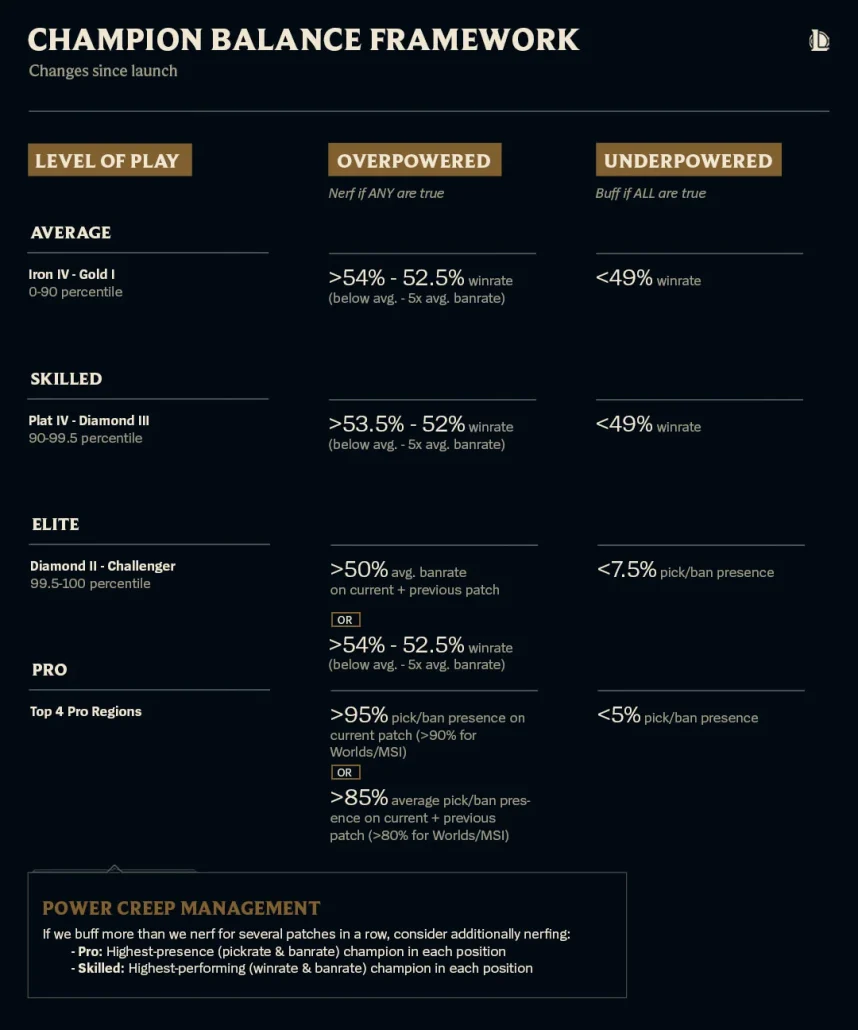
- Regular Updates: Continuously update the game to address balance issues and adapt to the evolving competitive landscape. This includes nerfing overpowered elements and buffing underpowered ones.
- Clear Rules and Transparency: Establish clear rules and communicate changes transparently to the player base. This helps maintain trust and ensures players understand the competitive landscape.
- Community Engagement: Engage with the competitive community to gather feedback and insights. Professional players and dedicated fans can provide valuable input on balance issues.
Sandbox Games
- Freedom and Creativity: Balance in sandbox games involves providing players with the tools and resources to explore and create freely while ensuring that no single option overshadows others.
- Resource Distribution: Distribute resources in a way that encourages exploration and creativity. Ensure that all resources are accessible and useful for various playstyles.
- Tool Effectiveness: Balance the effectiveness of different tools and building options so that players can experiment with multiple approaches. Avoid creating a single “best” tool or method.
- Dynamic Environments: Create a dynamic and evolving environment that challenges players and keeps them engaged. This can include environmental hazards, changing weather, and other factors that influence gameplay.
- Player Goals and Progression: Provide a variety of goals and progression paths to cater to different player preferences. Balance these goals to ensure they are equally rewarding and engaging.
By applying these strategies, developers can achieve a well-balanced game tailored to the specific requirements of different game types. Whether creating single-player adventures, competitive multiplayer experiences, or open-ended sandbox worlds, balancing is key to delivering an engaging and enjoyable game for all players.
Conclusion
Balancing a video game is a complex yet essential task that directly impacts player satisfaction, game longevity, and revenue potential. By employing strategies such as iterative playtesting, dynamic difficulty adjustments, community feedback, and detailed data monitoring, developers can create a fair and engaging gaming experience. Tailoring these strategies to the specific needs of different game types—whether single-player, multiplayer, competitive, or sandbox—ensures that all players can enjoy a well-balanced game. Ultimately, a meticulously balanced game not only fosters a loyal player base but also stands as a testament to high-quality game design, contributing significantly to the game’s success and sustainability.