


Think about the last time a game completely immersed you. Maybe it was the roar of an engine, the crash of thunder, or the tension of a drawn bow. Now, imagine experiencing those moments through your hands. That’s what haptic design brings to gaming.
For years, games have relied on visuals and sound to draw players in. However, touch is the next big step toward real immersion. Modern haptic technology allows players to sense tension, impact, and texture, adding an emotional layer to gameplay.
In this Polydin Game Art Studio blog post, we explore how touch is reshaping the way we experience and connect with games.
What Exactly Is Haptic Technology?
Haptic technology, also known as haptic design, comes from the Greek word haptikos, which means “able to touch.” It refers to technology that creates a sense of touch through vibrations, pressure, or movement.
In gaming, haptic systems convert digital actions into physical sensations that players can feel through controllers, gloves, and other devices. The familiar vibration that occurs when a car crashes or a weapon fires is an example of this technology and was the first step in making games feel more realistic.
Modern haptic systems use advanced motors, actuators, and ultrasonic waves to simulate texture, tension, and impact. Players can feel the pull of a bowstring, the rumble of an explosion, or the uneven surface of a rocky path.
These innovations are shaping how developers design experiences at different stages of game development. From concept to testing, haptic integration adds a deeper sensory layer that connects players to the digital world in new, realistic ways.
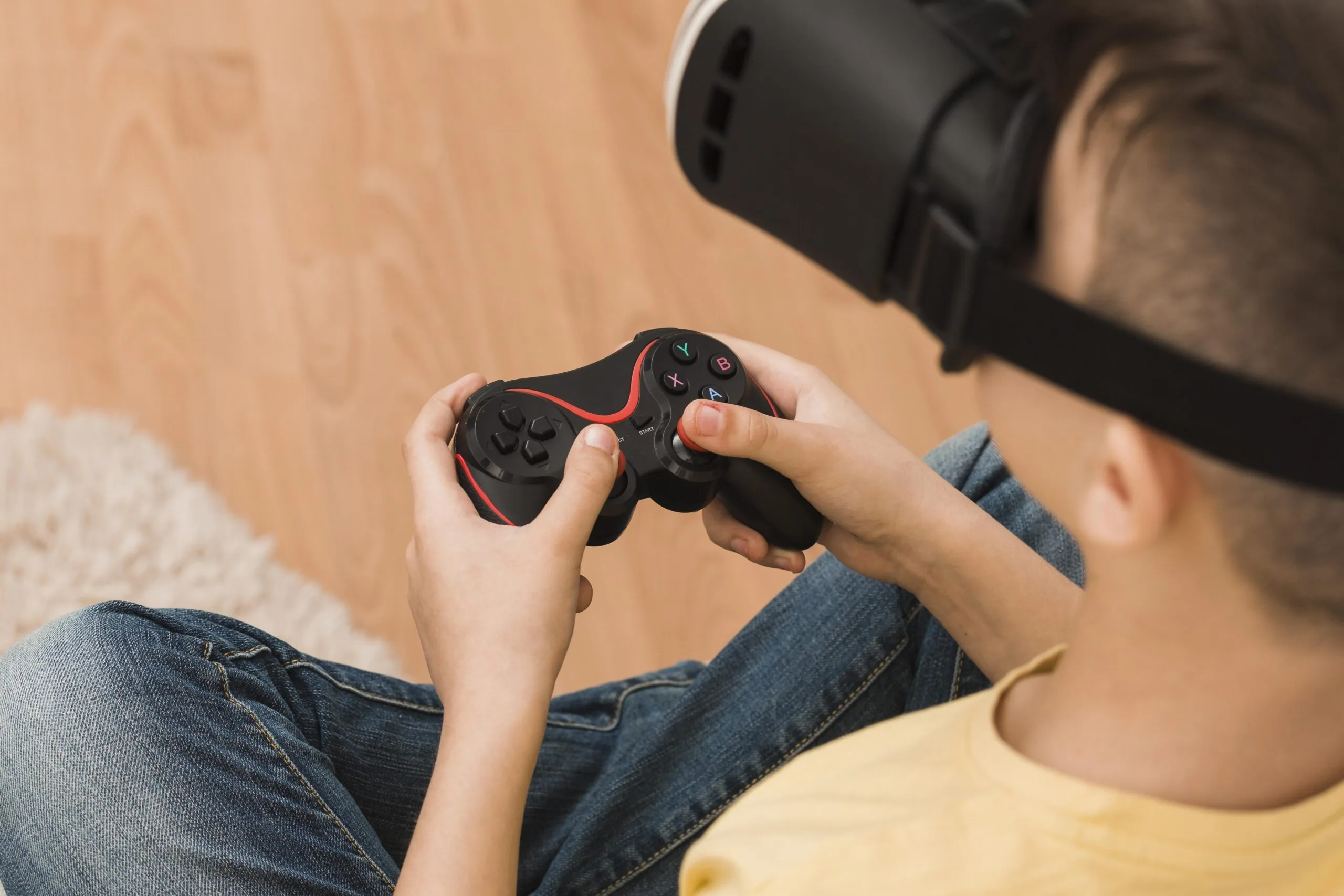
Touching the Game: How Haptics Redefine Play
Advanced haptic feedback has transformed how players engage with virtual environments. While traditional games relied on visuals and sound for immersion, haptic technology adds a physical layer, making every action feel more real and immediate.
Players can now sense what is happening without needing to look away from the screen through touch. For example, a soft vibration might signal low health, while a distinct pulse could warn of an approaching enemy. This tactile layer has become an essential part of modern game mechanics, keeping players more aware and emotionally connected to their surroundings.
The emotional impact of haptics is equally powerful. Feeling the click of a reload or the impact of a powerful strike makes gameplay more memorable and satisfying. Over time, players recognize subtle patterns of touch and learn to read the game through sensation alone, turning touch into a new form of mastery.
Haptic Design in Video Games: Enhancing Immersion Through Touch
Haptic Design in Video Games has many utilities. Here are some of them:
Feeling the Road: Haptics in Racing and Driving Games
Racing and driving games represent perhaps the most mature implementation of haptic technology in gaming today. Premium racing wheels and pedal sets can simulate road surfaces with extraordinary fidelity, allowing players to feel the difference between smooth asphalt, rough concrete, loose gravel, and wet pavement through subtle variations in vibration patterns and force feedback intensity.
Force feedback steering systems can communicate tire grip levels, weight transfer during cornering, and the precise moment when a vehicle begins to lose traction. This tactile information is often more immediate and useful than visual cues, enabling skilled drivers to maintain control in challenging conditions by responding to what they feel rather than what they see.
Tactile Tension: Bows, Ropes, and Cords
Archery mechanics in games have been revolutionized by sophisticated haptic feedback systems that simulate the progressive tension of drawing a bowstring. As players pull back on a controller trigger or specialized archery controller, they feel increasing resistance that mirrors the physical effort required to draw a real bow. The sensation of reaching full draw, holding steady aim while fighting against the bow’s tension, and the satisfying release when firing creates a visceral connection to the virtual weapon.
This haptic implementation extends beyond simple resistance curves to include subtle feedback that communicates arrow trajectory, wind effects, and target impact. Similar principles apply to other tension-based mechanics like grappling hooks, climbing ropes, and fishing lines, each with distinct tactile signatures that add authenticity to gameplay mechanics.
Gallops and Hooves: Horseback Riding Immersion
Horse riding mechanics benefit enormously from carefully designed haptic feedback that simulates the rhythmic motion of different gaits. Players can feel the steady four-beat walk, the bouncing trot, the rolling canter, and the powerful gallop through distinct vibration patterns that match their mount’s movement.
Advanced haptic systems can also communicate the horse’s condition and emotional state through tactile cues. A tired horse might produce irregular, labored feedback patterns, while a frightened horse could generate nervous, quick vibrations that alert the player to potential problems. The terrain beneath the horse’s hooves can be felt through carefully modulated haptic responses that change the tactile texture of each step.
Weapon Recoil and Malfunctions Through Vibration
Combat systems have been transformed by haptic feedback that accurately simulates weapon behavior and mechanical failures. Different weapon types produce distinct recoil patterns that players can learn to anticipate and compensate for – the sharp kick of a high-powered rifle feels completely different from the rapid buzz of an automatic weapon or the slow, heavy punch of a shotgun.
Modern haptic systems can simulate weapon malfunctions with startling realism. A jammed firearm might produce irregular, stuttering feedback instead of smooth operation, while an overheated weapon could generate increasingly intense vibrations that warn players of impending failure. These tactile cues add tension and authenticity to combat situations while providing gameplay information that enhances tactical decision-making.
Clashing Steel: Swords, Shields, and Combat Feedback
Melee combat systems utilize haptic feedback to simulate the weight, balance, and impact characteristics of different weapons and fighting styles. A heavy two-handed sword produces slow, powerful feedback patterns that reflect its momentum and devastating impact potential, while dual-wielded daggers generate quick, light responses that emphasize speed and precision.
Shield blocking mechanics can communicate the force and direction of incoming attacks through haptic feedback, allowing players to feel the difference between deflecting a light arrow and absorbing a massive hammer blow. The material properties of different shields can be conveyed through distinct haptic signatures that affect how impacts feel and respond.
Weather You Can Feel: Rain, Storms, and Wind Effects
Environmental haptic effects have opened up entirely new possibilities for atmospheric immersion in gaming. Rain can be simulated through gentle, random vibration patterns that intensify during heavy downpours, while wind effects can create directional feedback that communicates weather conditions and their impact on player movement or projectile trajectory.
Thunderstorms provide dramatic haptic opportunities, with lightning strikes generating powerful, sudden feedback bursts followed by the rolling rumble of thunder. These effects can be synchronized with visual and audio elements to create overwhelming sensory experiences that make players feel like they’re genuinely caught in severe weather.
The Role of Haptic Design in Narrative and Storytelling
Haptic design is becoming an exciting storytelling tool in modern games. By adding the sense of touch, developers can express emotion, tension, and atmosphere in ways that visuals and sound alone cannot achieve. Subtle vibrations and feedback patterns help players feel the story on a physical level, deepening their emotional connection to the game world.
Touch as Storytelling: Narrative Through Haptics
In Game Narrative Design, haptic feedback is a powerful way to reflect emotion. A quick pulse might signal a racing heartbeat during fear, while slow, steady vibrations can represent calm or relief. These sensations help players experience what characters feel, creating empathy and immersion.
Stealth You Can Sense: Subtle Haptic Cues in Games
Haptic systems have reshaped stealth gameplay. Soft vibrations can warn when enemies are near or when a player’s movements are too loud. These physical cues heighten awareness, tension, and engagement without distracting from the action.
Magic at Your Fingertips: Haptics in Fantasy Worlds
In fantasy games, haptics make magic feel alive. Fire spells can crackle with warmth, ice can feel sharp and cold, and complex spells may carry a rhythmic vibration that mirrors magical energy.
From Footsteps to Thunder: Environmental Haptic Effects
Environmental haptics add realism to virtual worlds. Players can feel footsteps change with surface textures, sense the weight of storms, or experience the rumble of explosions. These tactile effects turn simple interactions into moments that feel vivid, immersive, and unforgettable.
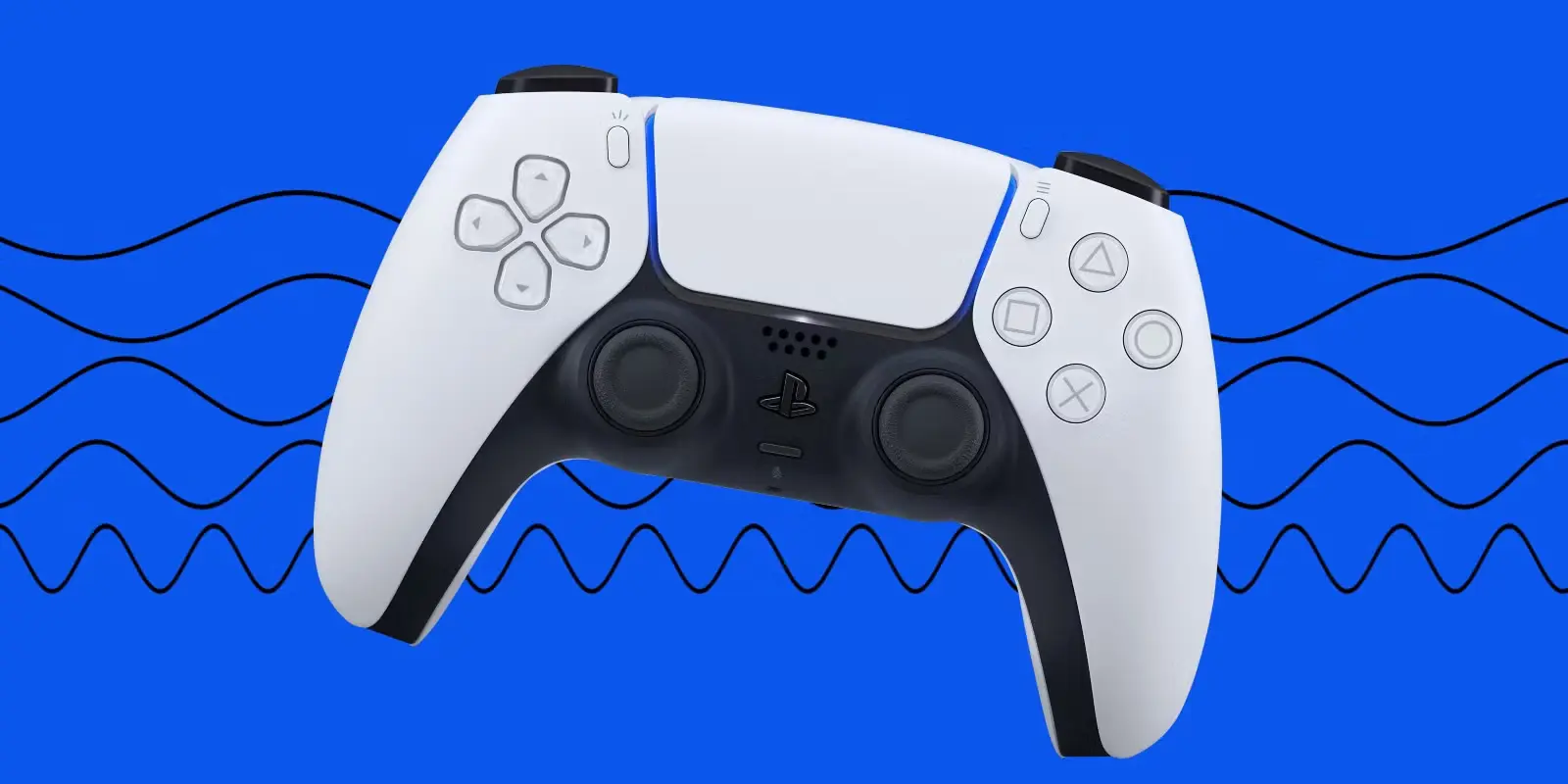
The Future of Haptics in Gaming
Haptic design continues to evolve, and its future holds exciting possibilities for creating more realistic and emotionally engaging gameplay. Developers are moving beyond simple vibration-based feedback to new forms of touch that involve the entire body.
Beyond Controllers and Into Wearables
The next stage of haptic technology will move past standard controllers. Wearable suits and gloves will allow players to feel movement, texture, and impact across their bodies. These innovations will introduce realistic sensations during combat, climbing, or interacting with objects, bringing physical feedback to a new level.
VR and the Next Level of Immersion
Virtual reality will drive the future of advanced haptics. Players will not only see and hear virtual environments but also feel them through touch. This connection will make VR experiences more natural, responsive, and emotionally immersive.
Smarter and More Sensory Gaming
AI-driven haptic systems will soon adjust in real time to player actions. Combined with elements like temperature, pressure, and motion, these technologies will make future games more adaptive, personal, and engaging.
Conclusion
Haptic technology is changing the way players experience games. It transforms digital interactions into tangible experiences, making every action feel real and emotionally engaging. From realistic racing feedback to immersive combat and environmental effects, touch-based systems have become as essential as visuals and sound in modern game design.
As this technology advances, it will play a pivotal role in shaping the future of game development. At Polydin Game Art Studio, we believe this evolution marks the beginning of a new era of gaming that players can truly feel.