

I don’t know about you, but I remember a time when finishing a game on the original PlayStation – or collecting a certain number of items – would unlock a new video game skin or outfit for a character. It was a reward. A little visual treat that let you roam around the game world with a fresh look and enjoy that variety. I unlocked many of these skins myself, often replaying the same levels just to see a character in a different outfit.
Back in the PlayStation 1 and 2 era, few could have imagined that these handfuls of colorful pixels would one day become one of the biggest commercial pillars of the gaming industry. Something that was once given away for free, something that seemed like the most minor of perks, has somehow turned into a premium product, one people are now willing to spend tens, hundreds, thousands, even hundreds of thousands or millions of dollars on. Of course, not every skin fits this trajectory, but the shift in industry priorities is unmistakable.
Dig a little deeper, and the whole thing starts to feel genuinely astonishing. So, in this piece, we’re taking a walk down memory lane to see how game developers managed to bottle tap water and sell it back as designer mineral water to a thirsty player base.
The roots of video game skins and players’ fascination with them can be traced back to the early games from id Software, like Wolfenstein 3D and Doom. Fans of these titles created countless mods that changed the appearance of enemies. These mods worked because early PC games exposed their asset files in ways modern engines rarely allow.
In one such mod, the Nazis from Wolfenstein were swapped out for Barney the purple dinosaur from the American kids’ show. In another, Doom was reimagined with a Star Wars skin. These mods were the early echoes of what we now see in Fortnite, where Darth Vader can duke it out with Peter Griffin from Family Guy. It’s the same kind of playful remixing modders have always loved and players have always embraced.
Generally, Quake, id Software’s 1996 classic, is recognized as the first game to officially allow players to change the protagonist’s skin. This is a view echoed in developer retrospectives and early PC gaming documentation.

Still, there was a long way to go before we reached the world of Fortnite. The second big sign of players’ appetite for skins came in multiplayer and competitive titles like Quake III Arena and Unreal Tournament. These games let you choose from a few different appearances for your character before heading into battle. But these options were bland, impersonal; just functional, not desirable. No one would’ve paid real money for them. Yet the fact that players enjoyed standing out from the crowd? That was a huge clue about where things could go.
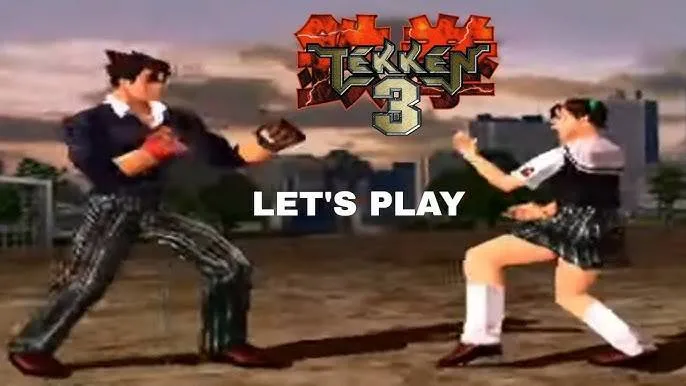
Video game skins also played a significant role in fighting and platform games on the fifth and sixth generation consoles: the PlayStation 1 and 2. Back then, before achievement systems were invented, unlocking new skins, concept art, secret levels and so on was a popular way to reward players for their extra effort. One of the joys of wrestling with fighting games like Tekken 3 was unlocking hidden costumes. For many players, myself included, these unlocks were a stronger motivation than story completion. For example, if you played 50 matches with Jin Kazama and Xiaoyu, then returned to the main menu and pressed start while selecting them, you’d unlock their high school uniforms.
To understand how skins became the lucrative phenomenon we know today, three key milestones stand out. These aren’t the only turning points, but they represent the clearest commercial inflection moments:
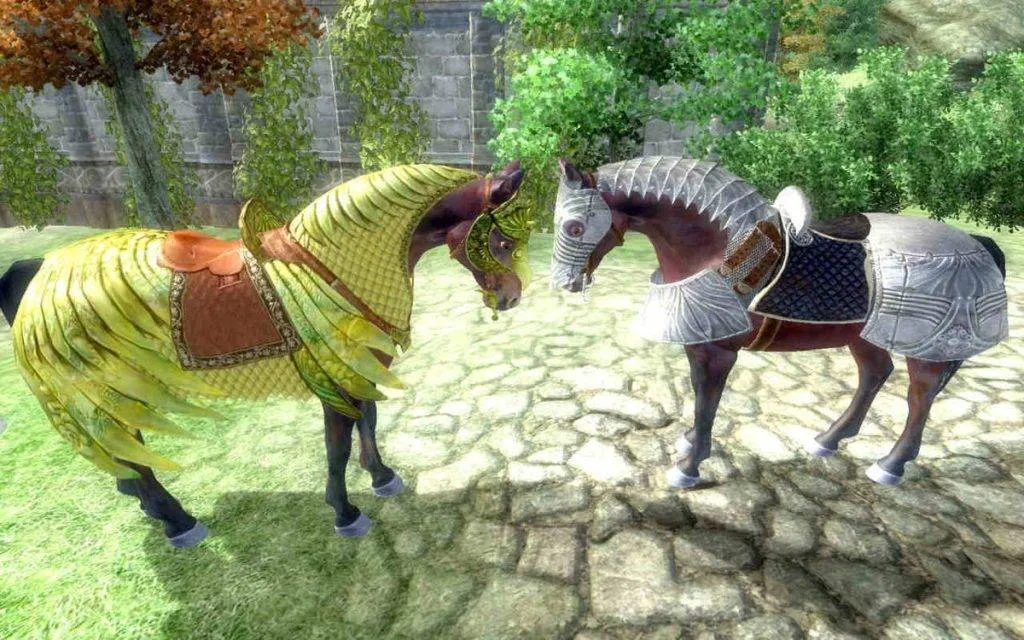
1. The release of the horse armor DLC for The Elder Scrolls IV: Oblivion in 2006 and the unexpected enthusiasm it sparked.
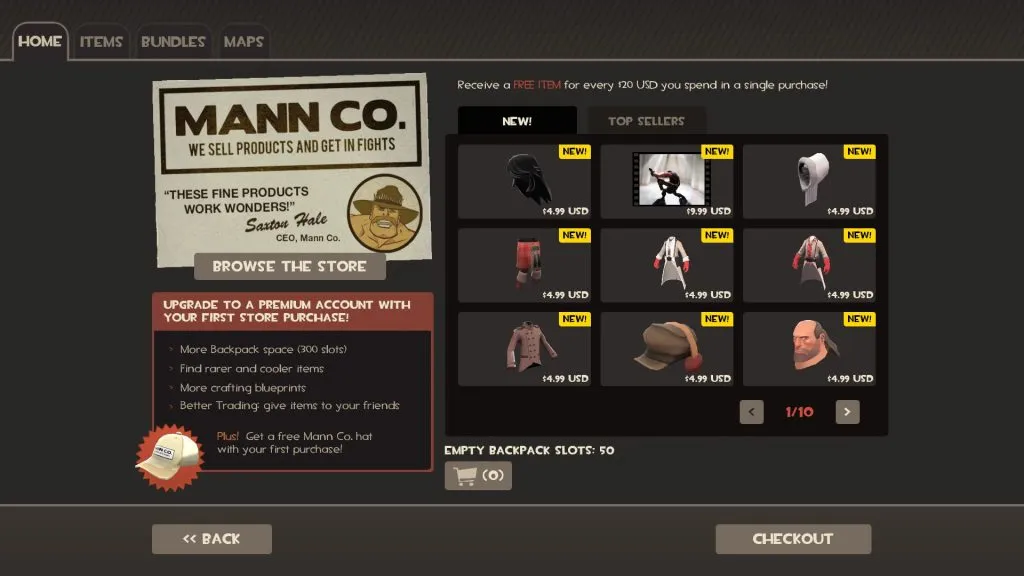
2. The addition of the Mann Co. Store to Team Fortress 2 in 2010, where players could buy decorative items, like the game’s iconic hats. Team Fortress 2 is often credited as the first game to launch an official skin-selling storefront.
3. The 2012 launch of Counter-Strike: Global Offensive and its loot box system, where players could obtain skins of varying rarity by opening these boxes. Counter-Strike pushed skin popularity to a whole new level, especially since players could make real money by buying and selling skins.
Read Also :Exploring Video Game Monetization Models, Impact, and Future Trend
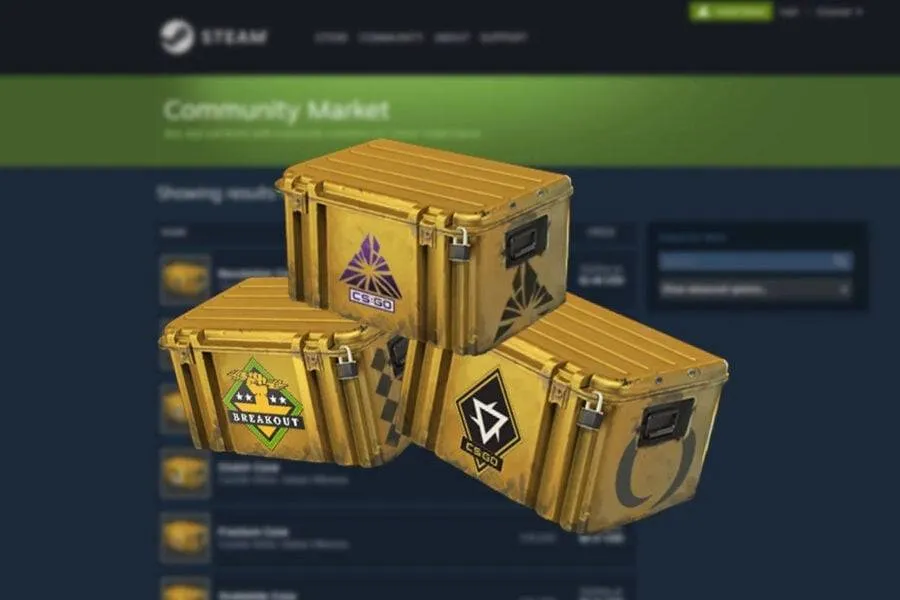
Each of these games took a major step in cementing the idea that selling skins could generate real revenue.
The horse armor DLC showed everyone that players were willing to pay for something like that; something no one had really expected before.
Team Fortress 2 demonstrated that skin sales could become a core monetization infrastructure for games.
Counter-Strike: Global Offensive proved that skin trading could grow into a massive industry; an enormous one.
But there’s a crucial point in the success story of all three games: players were willing to pay for skins because it made them feel good. Gamers saw themselves as part of a vibrant, welcoming, global culture and they were happy to open their wallets to support those who nurtured that culture.
In the early 2010s, one key motivation for gamers buying skins was supporting the game developers financially. Valve decided to make Team Fortress 2 free-to-play, and in exchange, expected its fan community to keep the game alive by purchasing skins, like those quirky, famous hats. Players gladly accepted this arrangement because there was strong trust between Valve and its player base.
Had Electronic Arts (EA), at its most greedy, tried to establish a skin-selling culture back then, gamers likely would have seen it as a disgusting cash grab and rejected it outright. This isn’t to say every EA title fits that stereotype, but the company’s reputation at the time mattered enormously. So, Valve, and the respect it earned from gamers, played a pivotal role in embedding this phenomenon.
How did Valve realize they could make money selling skins?
Team Fortress 2 originally launched in 2007 as part of The Orange Box, alongside Portal and Half-Life 2: Episode One. The Orange Box was a major shift in game sales, offering three great games at the price of one.
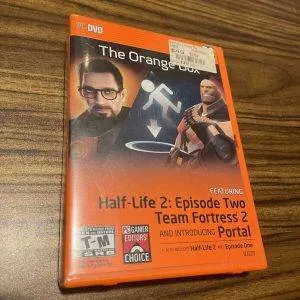
About two years after The Orange Box’s release, Valve faced an unpleasant reality: Team Fortress 2’s player numbers were declining, and revenue had plateaued. Multiplayer-only games often face this fate, as their longevity depends partly on luck and being released at the right time.
In response to this stagnation, Valve’s team analyzed player behavior. This likely included metrics like session length, item retention, and social visibility within matches. They discovered an unexpected enthusiasm for cosmetic items like hats and special outfits, even though these items had no impact on gameplay or character abilities. Valve realized that players were using appearance changes as a form of “self-expression” within the game, much like how people in the real world use clothing brands and styles (sometimes expensive ones) to express their identity. Nobody had really anticipated that digital clothing in games could become as meaningful as real-world fashion. But the data was clear.
This was the spark.
Before the official launch of the Mann Co. Store in 2010, Team Fortress 2 players could access some cosmetic items, but not by buying them. These items, like hats and special outfits, were earned through random drops during gameplay or unlocking specific achievements. Later, with the introduction of a player trading system, these items gained social and symbolic value. The growing popularity of these digital goods led Valve to realize they could create an official store to sell skins and take a cut of the profits.
In 2010, Valve took a bold step: they made Team Fortress 2 free-to-play and introduced the option to purchase cosmetic items. Suddenly, the game’s revenue skyrocketed. Players not only played more, but were willing to spend real money on items that changed only their character’s appearance.
For Valve, this wasn’t just a new revenue model; it was a revolution. Its influence can be traced directly in later free-to-play models adopted across the industry. This system not only revived fading games, but showed hundreds of other companies worldwide that in the digital world, “appearance” can have both social and economic value. And that discovery transformed the gaming industry.
The Dark Side of Skin Culture
The rise of skins as a revenue source has had a hugely positive effect: making games more accessible to players around the world. Acknowledging these benefits is important before examining the downsides honestly. Thanks to skin culture, major titles like Counter-Strike 2, Dota 2, League of Legends, Overwatch, Apex Legends, Rocket League, Fortnite, and others are free-to-play. Even the poorest gamers can experience them because, without revenue from selling skins and cosmetic items, these games would likely require upfront purchases and monthly subscriptions, just like MMORPGs. Constant support for a live game isn’t cheap. Essentially, thanks to skin sales, wealthier players financially support game creators, and in a world where entertainment is global but wealth distribution is anything but equal, this is a huge blessing.
But video game skins also have a dark side that cannot be ignored:
- Video game skins promote gambling among young and underage players. The risk comes specifically from randomized reward systems, not from cosmetic sales themselves. Loot boxes, which randomly dispense skins, create the impression that buying “just one more” box might yield a highly valuable skin; this hope can lead to addictive purchasing behavior.
- The skin-driven economy fosters the mistaken belief that skins are inherently valuable. As a result, even the most mediocre mobile games often offer skins for sale. Many forget that before you can monetize skins, you first need a game that people actually care about and that’s the hard part. Therefore, this economy is dominated by large, well-established companies.
- Video game skins cause games to lose their visual identity. For example, if you’ve played older Call of Duty titles, you genuinely felt like you were on a battlefield because everyone looked like soldiers. Now your opponent might be a human-sized banana wielding an AK-47 that, during the reload animation, releases the spirit of an ancient dragon.
- Video game skins provide an ideal money laundering opportunity. This risk applies mainly to high-value, tradeable skins with external marketplaces. Criminals can buy and sell skins to “clean” suspicious funds under the guise of legitimate transactions. Because skins range in value from a few cents to thousands of dollars and ownership transparency is low, regulatory authorities find these transactions very hard to trace. In this way, skins have followed in the footsteps of fine art, becoming a target for fraud.
- For many studios, skins have become a higher priority than gameplay or meaningful content because monetizing them is easier. Improving gameplay or creating compelling content is harder and less financially predictable.
- Vidoe game skins push the gaming industry toward superficiality. In video games, there has always been a tension between pure entertainment and artistry. The culture of buying and showing off skins clearly tips the scales toward “mere entertainment.”
Read Also : Bad Game Design | Anything that makes a player not care
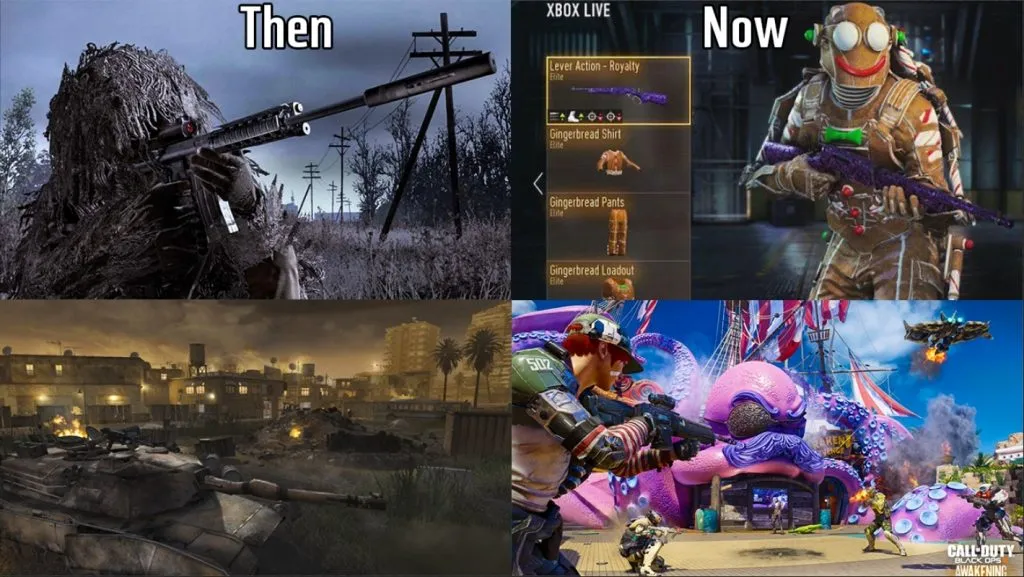
Overall, video game skins represent a double-edged sword for the industry; both a tremendous blessing and a significant curse. On one hand, they have revolutionized how games are monetized, enabling free-to-play models that make gaming accessible to millions worldwide while supporting developers financially in a challenging market.
On the other hand, skins have introduced troubling issues, from encouraging gambling habits among vulnerable players to diluting the visual identity of beloved franchises, and even facilitating money laundering schemes. Despite these challenges, the cultural and economic power of skins continues to grow unabated. As players, creators, and companies navigate this complex landscape, one thing is clear: skins have become an inseparable part of modern gaming’s fabric, and their influence is likely to shape the industry’s future for years to come; whether for better or worse.
The Evolution of Skins
A phenomenon this profitable was never going to remain static. Thanks to games like League of Legends and Fortnite that have taken the concept of skins extremely seriously, the humble skin has evolved in both subtle and surprising ways. Now let’s explore some of the most important leaps in the evolutionary journey of video game skins.
Lore Skins
Some games have turned skins into storytelling devices. Developers have openly discussed this approach as a way to expand narrative without new game modes. Titles like Apex Legends and League of Legends are prime examples. In these games, the visual design of skins is a window into a deeper lore.
League of Legends, in particular, has leaned heavily into this approach. With its enormous roster of champions—each with their own rich backstories and adventures—the game uses certain skins to reference key events or themes from a character’s past. One recent and high-profile example is the Sahn-Uzal skin for Mordekaiser. In the game’s universe, Mordekaiser is a dark, Sauron-like undead warlord. But this special skin depicts him in his original human form, as the ruthless conqueror Sahn-Uzal, long before he transformed into the undead juggernaut we know today, the identity that remains intact in his other skins. This cosmetic exposed many of the fans -who are not into wiki reading! – to the origins of this character and the way he looked back then.
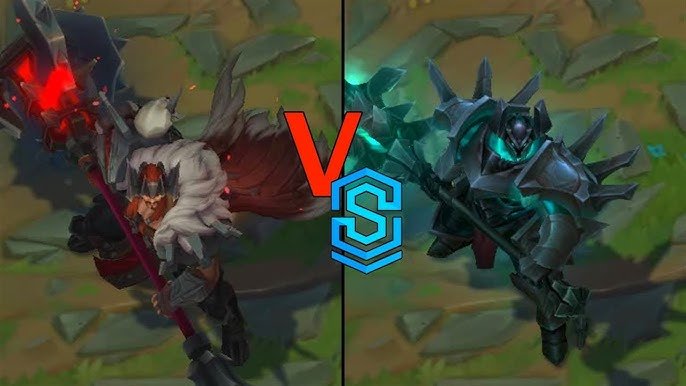
Another innovation from Riot Games has been the use of alternate skin lines to depict parallel universes, which is a trick straight out of the superhero playbook. Riot has introduced several alternate universes via skin lines, such as:
-
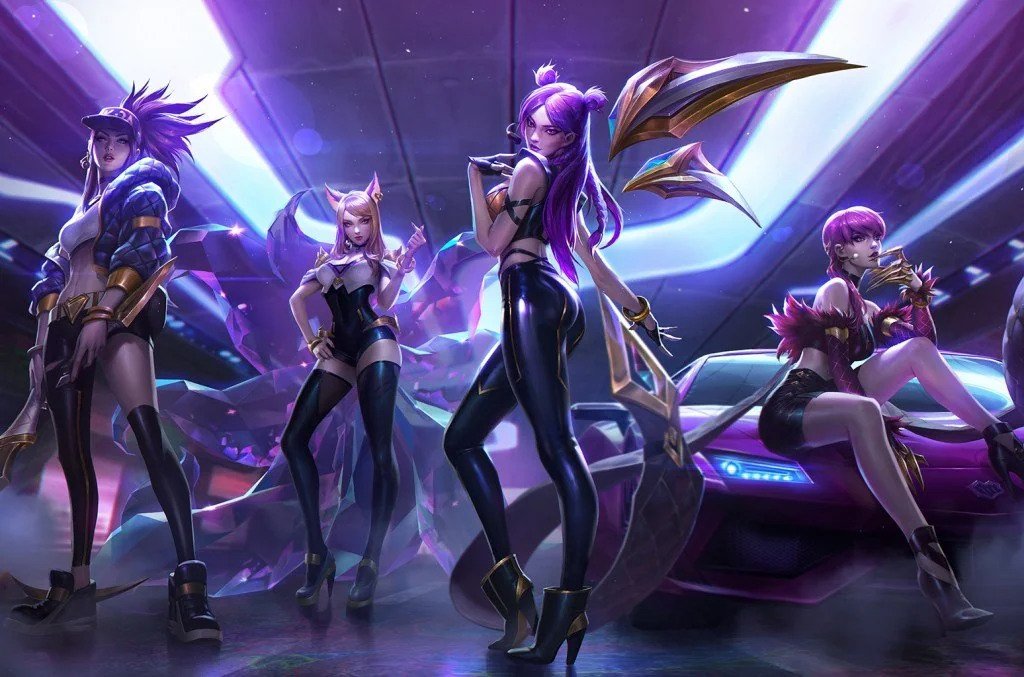
Star Guardian: An anime-inspired world where teenage heroes juggle high school and cosmic threats.
-
PROJECT: A dystopian cyberpunk setting filled with cybernetically enhanced warriors battling a giant megacorp.
-
Spirit Blossom: A folkloric vision of Runeterra where champions appear as mythic spirits during a seasonal festival when the boundary between the living and spirit world grows thin.
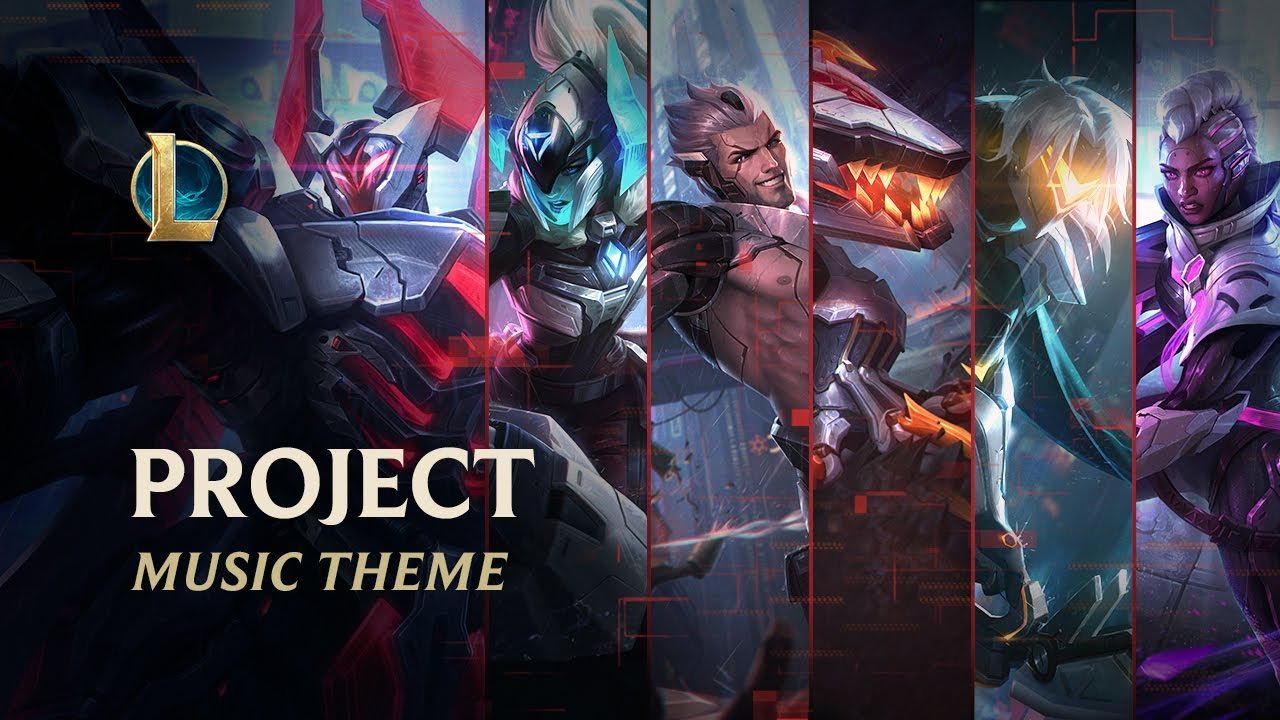
Each skin line offers fans a chance to see their favorite characters reimagined through a new thematic lens, like magical anime girls, folkloric haunted spirits or futuristic rebels that look straight out of Cyberpunk 2077. These skins create an added layer of meaning for those willing to spend money to “own” a version of their hero from that world.
Seasonal and Limited-Time Skins
One of the most effective ways publishers convince players to buy skins, or even just pay attention to them, is by making them part of a time-limited event. Of course, if we’re being cynical, this approach is highly reliant on exploiting people’s FOMO, but it’s part of the culture now.
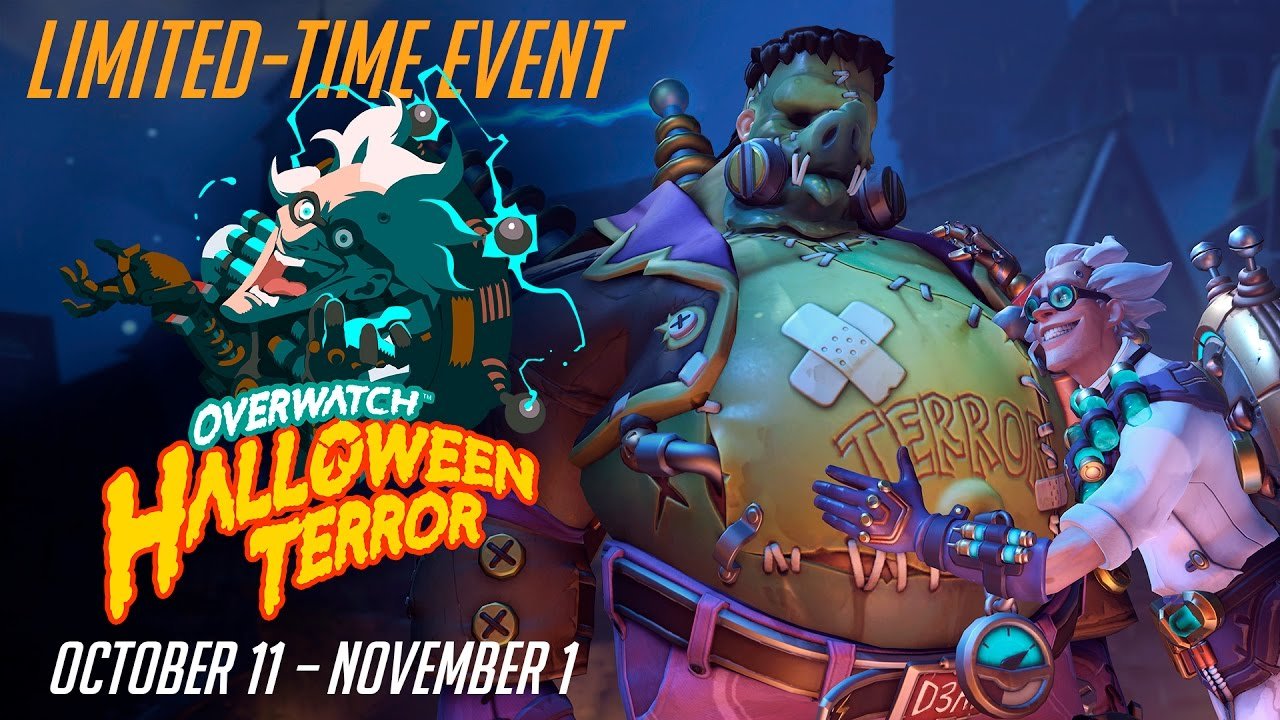
Take Overwatch, for example. Blizzard runs special seasonal events like Halloween Terror, Lunar New Year, and Winter Wonderland. During these periods, players can unlock or purchase exclusive skins that are tied to the event’s theme, like spooky costumes for Halloween, festive attire for the Chinese New Year and so on. These limited-time cosmetics allow players to “join in the spirit” of the season, creating a shared celebratory vibe within the community.
By restricting availability, these skins gain a sense of prestige. They become digital souvenirs, proof that you were there when the event happened, that you participated, that you were part of the game’s evolving story.
Skins with Special Effects

At first, a skin might’ve been just a few extra pixels. But once publishers realized how seriously players took them, they started investing real time and money into making skins feel premium. Today, some skins come with custom voice lines, unique sound effects and even flashy new animations or visual effects. In certain controversial cases, they’re borderline “pay-to-win,” offering subtle gameplay advantages, whether through improved readability, visual clarity or hitbox confusion. These cases are rare, but they generate outsized backlash when they occur.
Crossover Skins
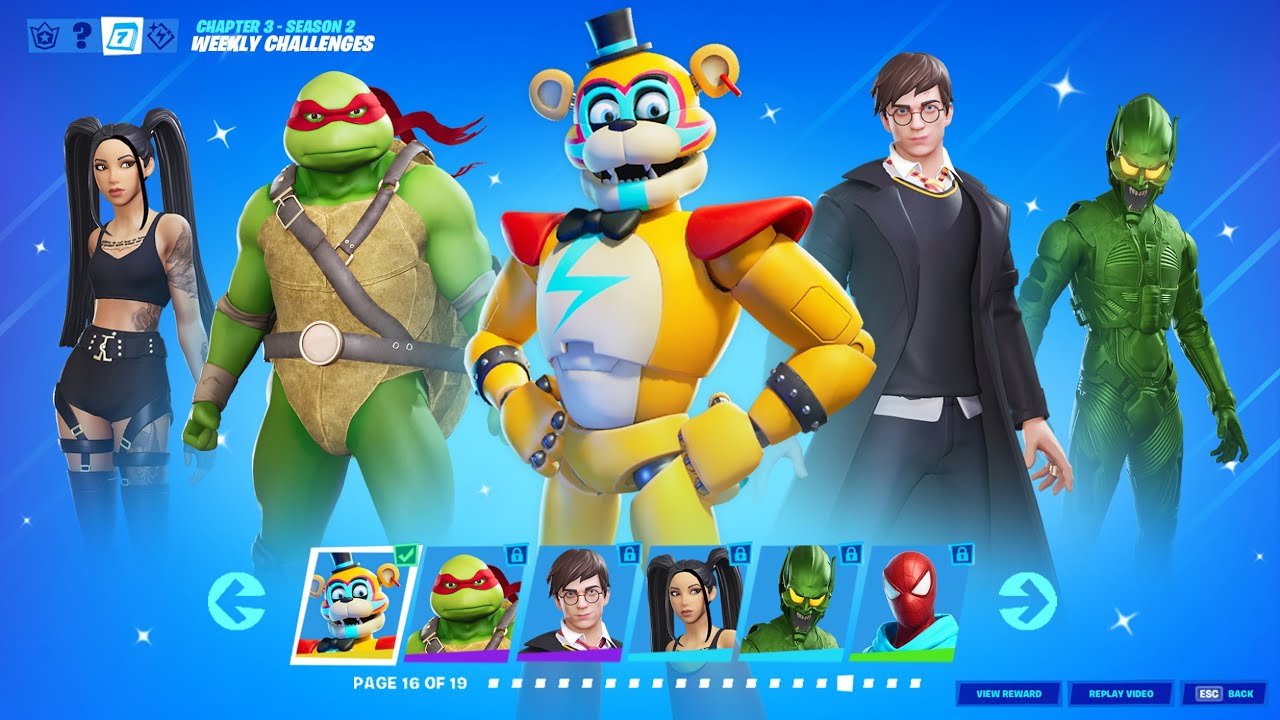
One of the most fascinating evolutions of the skin economy, which is largely pioneered and popularized by Fortnite, is the rise of crossover skins. These aren’t just cosmetics; they’re cultural touchstones. When Fortnite adds characters like Darth Vader, Rick and Morty, or Jinx from League of Legends, it’s something beyond fan service; it’s a declaration that these icons belong in the pop culture hall of fame. Their presence in Fortnite is proof of their enduring popularity and commercial viability.
Crossover skins serve a broader purpose than just monetization. They create unity between wildly different realms of pop culture—bridging gaps between anime fans, Marvel lovers, gamers, and film buffs. In doing so, Epic Games has effectively transformed Fortnite into a metaverse of shared fandoms.