


In the vast landscape of video gaming, there exists a special breed of games that are considered to be the hardest games ever made and takes a fundamentally different approach from the typical entertainment experience. These games don’t coddle players with gentle difficulty curves or forgiving checkpoint systems. Instead, they present brutal, uncompromising challenges that push players to their absolute limits and beyond. These are the games that make grown adults throw controllers, question their life choices, and yet somehow keep coming back for more punishment.
The phenomenon of brutally difficult games has deep roots in gaming history, from the quarter-munching arcade machines designed to extract maximum coins from players to modern indie darlings that wear their difficulty as a badge of honor. What makes these games particularly fascinating is not just their punishing nature, but the passionate communities that form around them. Players share strategies, celebrate victories, and commiserate over defeats in ways that create bonds forged through shared suffering.
These challenging titles serve as a counterpoint to the modern gaming industry’s trend toward accessibility and broader appeal. While there’s nothing wrong with games that welcome all skill levels, the existence of truly difficult games preserves an important aspect of gaming culture the idea that some achievements should be genuinely difficult to obtain, that mastery should require dedication, and that victory should feel earned rather than given.
The Excitement of a Challenge: Why Gamers Are Drawn to Brutal Games
The psychology behind why players seek out punishingly difficult games is complex and multifaceted, tapping into fundamental aspects of human nature that drive us toward challenge and mastery. At its core, the appeal of brutal games lies in the satisfaction of overcoming seemingly impossible odds. When a player finally defeats a boss that has killed them dozens of times, the rush of accomplishment is far more intense than any easy victory could provide.
This phenomenon relates closely to what psychologists call “flow state” that magical zone where challenge and skill are perfectly balanced, creating an immersive experience where time seems to disappear and players become completely absorbed in the task at hand. Difficult games, when well-designed, create multiple opportunities for flow by constantly adjusting the challenge level through player improvement rather than game modification.
The social aspect of the hardest games ever made cannot be understated. There’s a unique camaraderie among players who have suffered through the same challenges. Sharing strategies for particularly tough sections, celebrating someone else’s victory, or even just acknowledging the shared experience of failure creates communities built on mutual respect and understanding. These games become conversation pieces, with players trading war stories about their most challenging encounters.
From a neurological perspective, overcoming difficult challenges triggers the release of dopamine, creating a natural high that can be genuinely addictive. The intermittent reinforcement schedule of difficult games where success comes infrequently but feels incredibly rewarding when it does – is one of the most powerful psychological mechanisms for maintaining engagement.
The mastery aspect appeals to the human desire for competence and growth. Players can literally feel themselves improving as they progress through these challenging experiences, developing muscle memory, pattern recognition, and strategic thinking skills that extend beyond the game itself. This sense of personal development and skill acquisition is deeply satisfying and helps explain why players continue to seek out increasingly difficult challenges.
The Hardest Games Ever Made: 10 Brutal Challenges Gamers Still Fear
The hardest games ever made is s a subjective criteria, because there are some games that are designed to be pretty much impossible to beat. But in this list, we have gathered games that are considered to be both hard and high quality:
1. Dark Souls
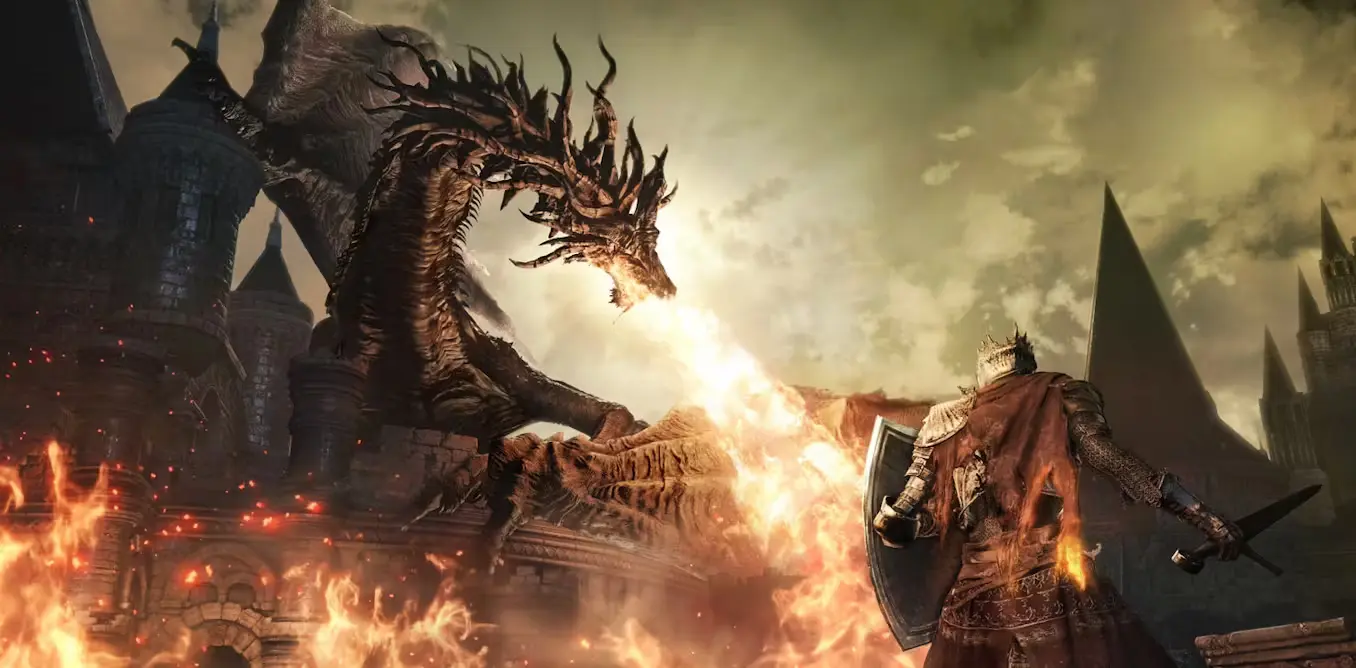
FromSoftware’s Dark Souls didn’t just create a game; it spawned an entire genre and cultural phenomenon that redefined what difficulty could mean in modern gaming. This action RPG presents a world where death is not just common but expected, serving as both punishment and teacher. Every enemy encounter is a potential lesson in humility, and every step forward feels genuinely earned through skill and perseverance.
What makes Dark Souls particularly challenging is its commitment to fairness within brutality. The game rarely cheats or relies on cheap tricks; instead, it demands that players learn its systems, understand enemy patterns, and develop the patience to observe before acting. Combat is methodical and tactical, where rushing in almost always results in death. Boss fights like Ornstein and Smough have become legendary tests of skill, requiring precise positioning and the ability to manage multiple powerful enemies simultaneously.
Read Also: Top Action RPGs of 2025 : Defining the Genre’s Future
2. Sekiro: Shadows Die Twice
Sekiro represents FromSoftware’s evolution of the difficulty formula, stripping away many of the crutches that players could rely on in Dark Souls. There’s no character leveling to artificially increase power, no co-op to call for help, and no variety of weapons to experiment with. Players must master the game’s unique parrying system or face constant defeat.
The posture system revolutionizes combat by making defense as important as offense. Players must learn to deflect attacks with precise timing rather than simply dodging or blocking. This creates a rhythm-based combat system that feels like a deadly dance, where mastering the timing of deflections becomes essential for survival. The final boss Isshin Ashina represents one of the most challenging encounters in gaming history, demanding perfect execution across multiple phases.
3. Ninja Gaiden (NES)
The original Ninja Gaiden on NES represents old-school difficulty at its most unforgiving. This side-scrolling action platformer has earned its reputation through relentless enemy spawning, pixel-perfect platforming requirements, and boss fights that border on the sadistic.
What makes Ninja Gaiden particularly brutal is its combination of challenging elements. Enemies respawn constantly, often appearing from off-screen in unpredictable patterns. The platforming requires frame-perfect timing in many sections, and falling from high platforms often means restarting entire sequences. The infamous final boss gauntlet forces players to defeat multiple challenging bosses in sequence without healing opportunities, all while working with limited continues and no save system.
4. Hitman: Codename 47
The original Hitman game presents a different kind of difficulty – one based on patience, planning, and execution rather than reflexes. Players must navigate complex scenarios where one mistake can ruin an entire mission, requiring careful observation of guard patterns, timing, and environmental factors.
What makes Codename 47 particularly challenging is its unforgiving AI and lack of modern quality-of-life features. Guards are highly observant and aggressive, missions must often be completed in specific ways to achieve the highest rating, and there are no waypoints or extensive save systems. The “Traditions of the Trade” mission has become legendary for its complexity, requiring players to eliminate multiple targets in a crowded hotel while maintaining cover through precise timing and extensive planning.
5. Super Meat Boy
Super Meat Boy represents the pinnacle of challenging platformer design, combining pixel-perfect controls with deviously designed levels that require split-second timing and precise execution. This indie darling has frustrated and delighted players with its immediate restart system that encourages constant retries while maintaining brutal difficulty.
The game’s challenge comes from its level design philosophy – each stage is a carefully crafted puzzle requiring specific timing and positioning to complete. Later levels combine multiple challenging elements: moving platforms, spinning saw blades, crumbling blocks, and enemies that create complex navigation challenges requiring perfect execution. The Dark World levels take the challenge to extreme levels with additional hazards and tighter timing requirements designed for the most dedicated players.
6. Elden Ring
FromSoftware’s latest masterpiece combines the challenging combat of Dark Souls with an open-world structure that can both alleviate and intensify difficulty depending on player choices. The game’s vast world means players can encounter end-game bosses while severely underleveled, creating some of the most challenging experiences in gaming.
Elden Ring’s difficulty is notable for its variety and optional extreme challenges. While players can explore freely and return to difficult areas with better equipment, the game also features optional bosses like Malenia, Blade of Miquella, who represent peak difficulty even for experienced players. Her Waterfowl Dance attack has become legendary for its precision requirements and punishing damage, requiring near-perfect timing to survive.
Read Also : Best Fantasy Games of All Time: A Comprehensive List
7. Bloodborne
Bloodborne takes the Dark Souls formula and accelerates it, encouraging aggressive play while punishing hesitation. The game’s Victorian horror setting perfectly complements its challenging gameplay, creating an atmosphere where danger lurks in every shadow and survival requires constant vigilance.
The removal of shields forces players to rely on dodging and the unique rally system, which allows health recovery through aggressive counterattacks. This creates a risk-reward dynamic where retreating to heal is often less effective than pushing forward to regain health through combat. Boss fights like the Orphan of Kos feature unpredictable attack patterns and multiple phases that test player endurance and pattern recognition to their absolute limits.
8. Mike Tyson’s Punch-Out!!
This NES boxing classic represents pattern-based difficulty at its purest form. Players must learn the specific timing and tells for each opponent, memorizing complex sequences of dodges, blocks, and counterattacks. The final fight against Mike Tyson himself has become legendary for its extreme precision requirements.
What makes Punch-Out!! particularly challenging is its requirement for perfect execution combined with pattern memorization. Each opponent has specific vulnerabilities that must be exploited with precise timing. The Mike Tyson fight requires dodging devastating uppercuts that can end the fight instantly while finding brief opportunities to land hits, demanding not just memorization but the ability to execute complex timing chains under extreme pressure.
9. Hollow Knight
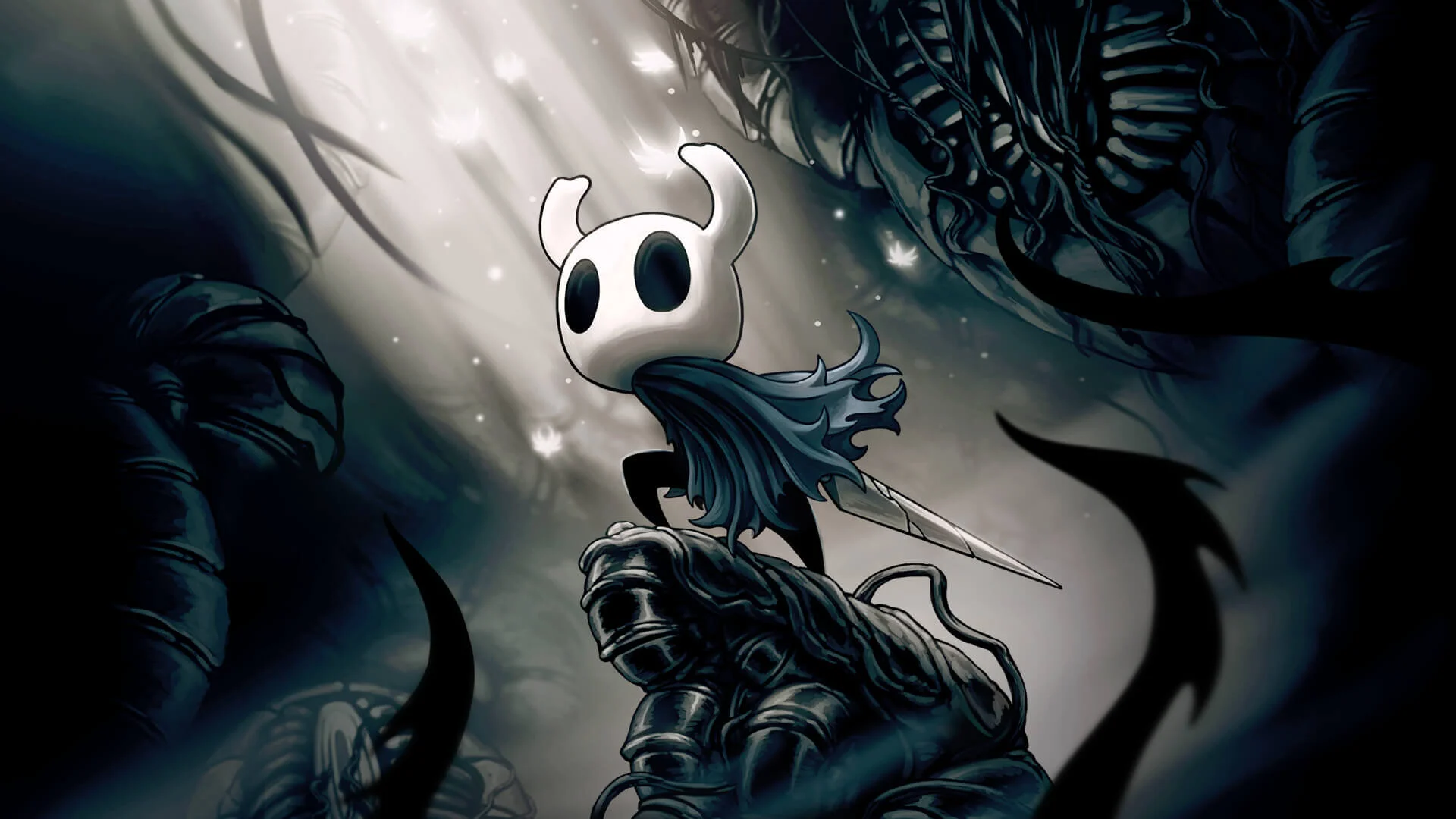
Team Cherry’s metroidvania masterpiece combines challenging combat with intricate exploration and platforming. The game’s difficulty comes from its precise controls combined with complex enemy patterns and challenging boss encounters that require both reflexes and strategy.
The Path of Pain represents one of gaming’s most challenging optional platforming sections. This brutal gauntlet requires frame-perfect timing across extended sequences with no checkpoints, creating an endurance test that pushes players to their absolute limits. Boss fights like the Radiance combine precise platforming with combat in challenging multi-stage encounters that require perfect positioning and timing throughout multiple phases.
10. Nioh
Team Ninja’s take on the Souls-like formula adds complex loot systems and stamina management to create a uniquely challenging experience. The game’s ki pulse system requires active stamina management, adding an additional layer of complexity to an already demanding combat system.
Nioh’s difficulty comes from its combination of challenging enemy design and complex character systems. Players must manage multiple resources while learning weapon stances that dramatically change combat approaches. Boss fights like Yamata no Orochi require perfect positioning and pattern recognition across multiple phases, while the optional sub-missions often feature even more challenging versions of story bosses with enhanced abilities and brutal attack patterns.
Conclusion
The games featured in this list represent more than just challenging experiences – they’re testaments to the power of well-designed difficulty in creating memorable, impactful gaming moments. Each title approaches challenge differently, from the methodical patience required in Dark Souls to the split-second precision demanded by Super Meat Boy, yet all share the common thread of requiring genuine skill development and perseverance from players.
The hardest games ever made serve an important role in the gaming ecosystem by preserving the idea that some achievements should be genuinely difficult to obtain. In an era where many games prioritize accessibility and broad appeal, these titles maintain spaces where mastery requires dedication, failure is a learning tool, and victory feels truly earned.
The influence of these games extends far beyond their immediate player base. Many have spawned entire subgenres, influenced design philosophies across the industry, and demonstrated that there’s a significant audience hungry for genuine challenge. The success of games like Dark Souls has encouraged developers to embrace difficulty as a legitimate design choice rather than something to be minimized.
The hardest games ever made represent gaming at its most demanding and most rewarding. They remind us that the best achievements in life – whether in gaming or elsewhere – often require struggle, failure, and persistence. In a world that increasingly seeks to eliminate friction and challenge, these games preserve something essential about the human experience: the profound satisfaction that comes from earning our victories through genuine effort and skill.