

While modern gaming often leans toward cinematic realism and enormous production budgets, isometric RPGs continue to attract players who want something different. Many people enjoy these games but cannot quite explain why this older format still feels relevant. Understanding the genre’s strengths helps both players and developers see what makes these games immersive without the need for flashy visuals.
In this article of Polydin Game art studio, I will break down what makes isometric RPGs unique, why they have such a loyal audience, the design advantages behind them and the challenges developers face today.
What Exactly Makes an Isometric RPG
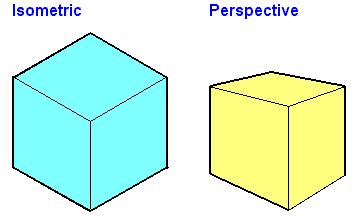
An isometric RPG is a role-playing game viewed from a fixed angled perspective. Players look at the world from above, slightly tilted, which gives a clear view of the environment and characters. The genre focuses on strategy, narrative depth, character progression and meaningful choices.
This perspective matters more than people realize. It keeps environments readable, makes tactical combat easy to follow and supports complex interactions without overwhelming players or forcing developers into expensive animation pipelines.
Why This Classic Genre Still Feels Fresh
The continued appeal of isometric RPGs comes from a mix of depth and clarity that many modern titles struggle to match.
Deep narrative and role playing freedom
Players shape the world through dialogue, moral choices, branching quests and personalized builds. The format naturally supports storytelling that reacts to decisions.
Tactical combat that rewards strategy
Turn based systems or real time with pause give players time to think. Success comes from planning, not reflexes.
Immersive world building
Developers can focus on lore, characters and environmental detail without relying on high cost cinematic spectacle.
Strong modding communities
Fans extend game life by adding quests, characters and new systems. This keeps many titles active for years.
Nostalgia mixed with evolution
Many players grew up with the original Baldur’s Gate, Fallout or Plan escape Torment. Recent games apply modern design thinking without losing the charm of classic origins.
Accessible visual style
The overhead view works on a wide range of hardware, making the game genre approachable for players around the world.
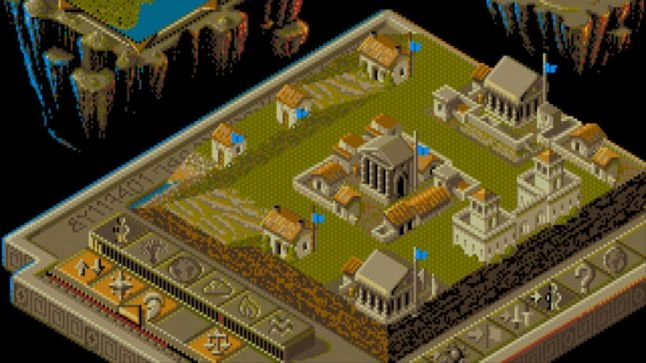
The Design Power Behind Isometric RPGs
Developers continue choosing the isometric format because it offers control, efficiency and creative freedom.
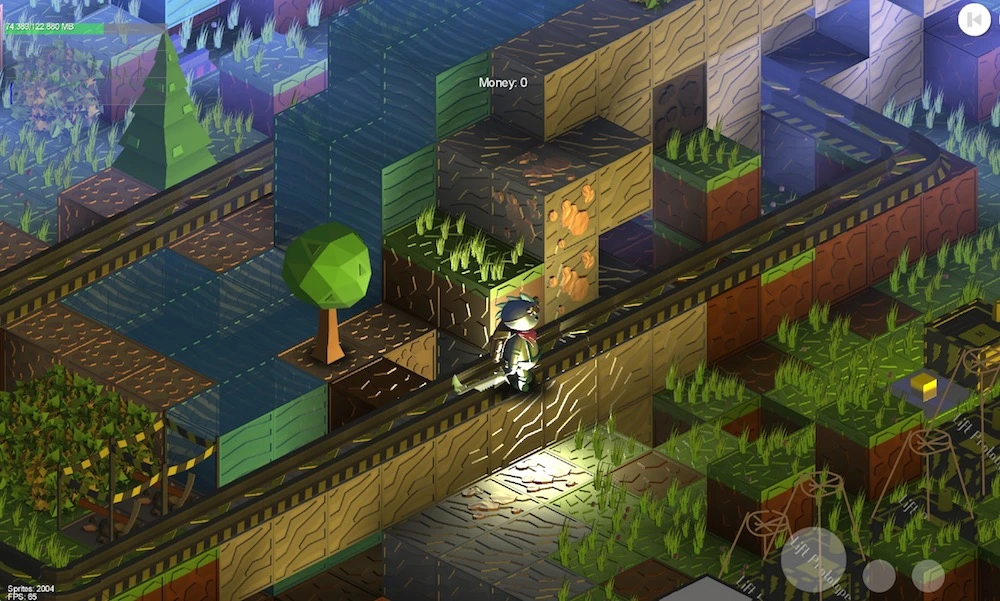
- Strategic camera and level readability: The fixed view gives a strong understanding of layout and helps guide exploration naturally.
- Lower development costs: Studios can focus on systems, writing and game mechanics instead of heavy facial animation or large scale cinematics.
- Enhanced level design control: The camera lets designers shape how players move through spaces while still maintaining a sense of openness.
- Strong UI integration : Character sheets, inventories, skill trees and party management all fit comfortably into the layout of an isometric screen.
- Perfect for party-based systems: When the player controls multiple characters, the overhead angle makes coordination easier and more enjoyable.
How Isometric RPGs Are Made Today
The development process differs from first person or third person RPGs in several important ways. Teams usually commit to the isometric format very early because it shapes game level design, combat layout and interface planning.
Art teams often work in 2D or 2.5D pipelines, which can look stylized or painterly while still running smoothly. Since the camera never shifts close to characters, designers prioritise readability over detailed facial animation.
Narrative design also fits naturally into the format. Dialogue systems, branching quests and skill checks become a core part of the experience. This approach works well for indie and mid-sized studios that want to focus their resources on writing and systems rather than cinematic production.
Games That Prove the Genre’s Strength
Several modern titles show how powerful isometric RPGs can still be.
Divinity Original Sin 2
A reactive world, creative combat and strong party dynamics helped it become one of the most celebrated RPGs of the past decade.
Baldur’s Gate 3
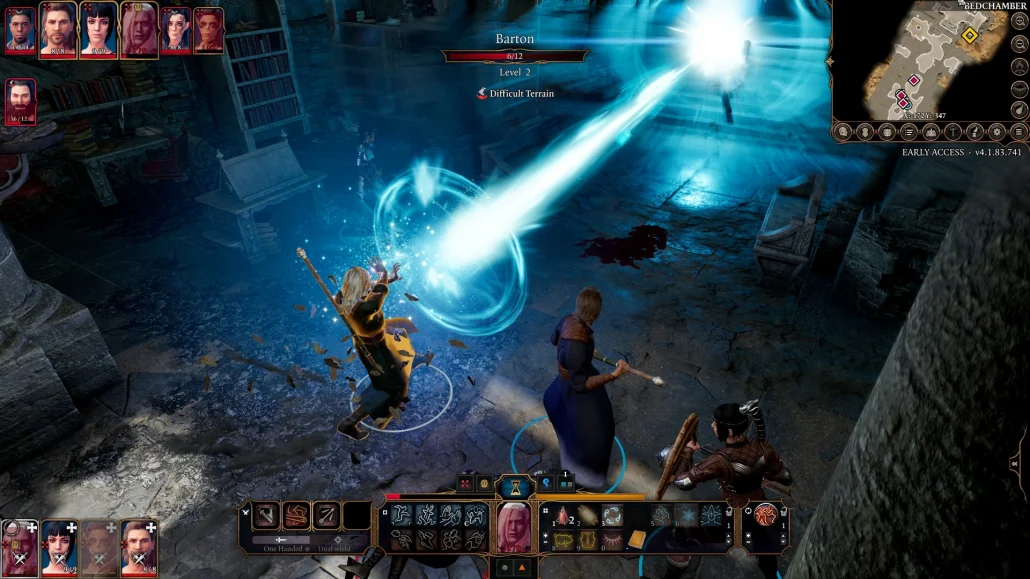
Baldur’s Gate 3 proves the commercial and mainstream potential of the genre. It blends cinematic storytelling with classic roots while keeping everything readable from above.
Pathfinder Kingmaker and Wrath of the Righteous
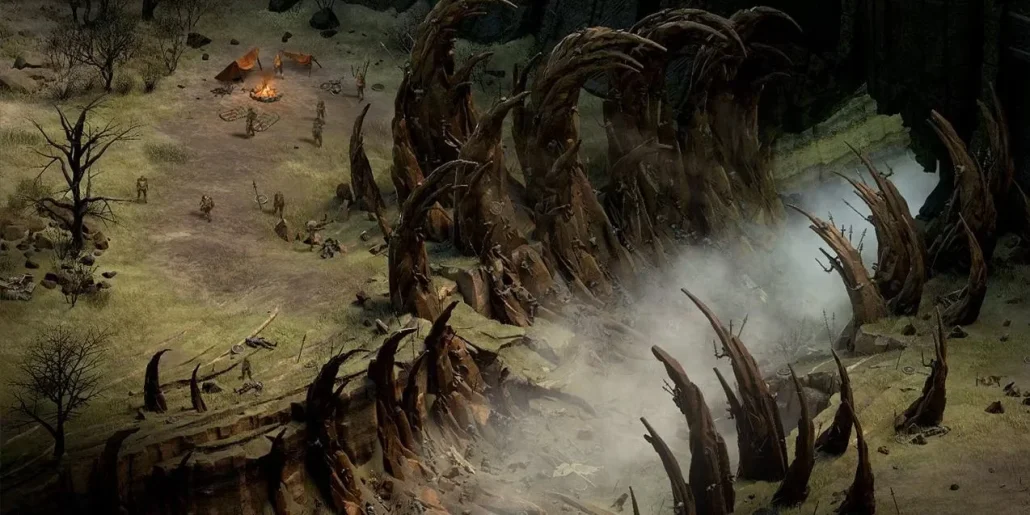
Large builds, detailed systems and narrative depth attract players who want complexity.
Wasteland 3
Its post apocalyptic tone and tactical structure show how versatile the genre can be.
Disco Elysium
A narrative first approach with almost no combat demonstrates that isometric RPGs do not need traditional battles to be engaging.
Each of these titles keeps the genre alive by showing how flexible and modern an old format can become.
The Challenges Developers Face
Even with all its strengths, creating an isometric RPG is far from easy.
- High writing demands: The format relies heavily on strong dialogue and layered game storytelling.
- Large content requirements: Dozens of quests, locations and branching paths take time and discipline to build.
- A niche but demanding audience: Fans expect depth, replayability and systems that respect their time.
- Balancing complexity and accessibility: New players can feel overwhelmed if mechanics are not introduced carefully.
- Competition with visually driven modern games: Standing out without blockbuster graphics requires strong ideas and consistent execution.
Bottom Line
Isometric RPGs show that strong ideas matter more than giant budgets. Their loyal audience exists because they offer depth, personality and meaningful choice. For me, the appeal of the genre comes from how it slows the player down and invites them to think, explore and become part of a carefully built world. This is why the genre remains powerful and why developers continue to return to it even as the rest of the industry chases spectacle.