
Horror games have always been about perspective. Not just what you see, but how close the danger feels, how much control you’re given, and how often the game lets you breathe before pulling you back in. As the genre evolved, those things started to matter more than spectacle or raw difficulty.
Over the years, female protagonists became more common in horror games. That change is often explained as a narrative or cultural shift, but that explanation doesn’t really hold up on its own. The more interesting reason is much simpler. Horror itself changed, and certain types of protagonists fit that change better than others.
This article of Polydin game art studio looks at female protagonists not as a trend, but as a reflection of how horror design moved away from power and toward perspective, intimacy, and sustained tension.
Need Game
Art Services?
Visit our Game Art Service page to see how
we can help bring your ideas to life!
Early Survival Horror Foundations
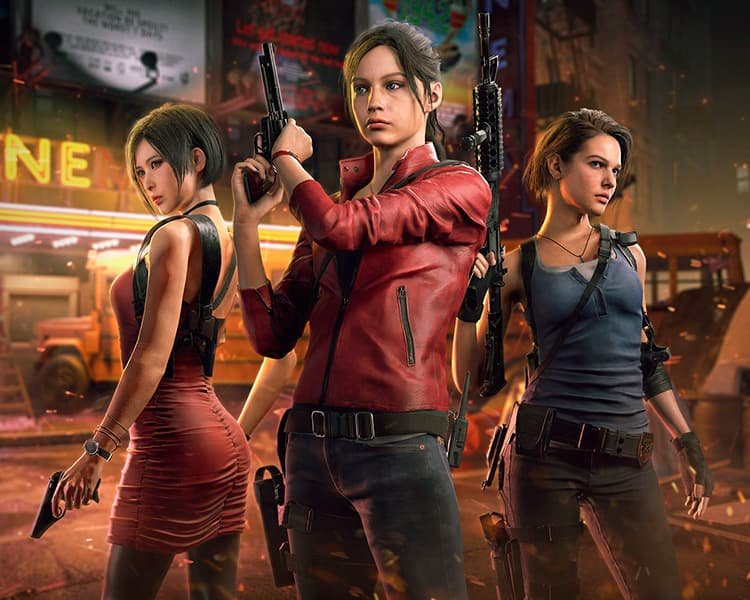
If you look back at classic survival horror, fear came from restriction. You didn’t have much ammo, you couldn’t see everything around you, and moving forward always felt risky. Characters like Jill Valentine and Claire Redfield in Resident Evil weren’t designed to dominate their environments. They survived by paying attention, managing resources, and knowing when not to fight.
These early female protagonists didn’t define horror on their own, but they helped establish a rhythm. Horror was slow, tense, and uncomfortable by design. That foundation matters because modern horror would later return to it.
Perspective and Player Empathy
One thing female protagonists often change is how players approach danger. Games built around them tend to reward caution rather than aggression. Players spend more time reading spaces, listening for cues, and deciding whether moving forward is worth the risk.
This doesn’t make horror weaker. If anything, it stretches tension out. Instead of quick bursts of fear followed by release, unease lingers. You’re not charging into danger, you’re moving alongside it.
That shift isn’t about gender. It’s about how perspective shapes behavior. Female protagonists just happen to appear often in horror games that lean into this slower, more observant style.
Intimacy, Scale, and Space
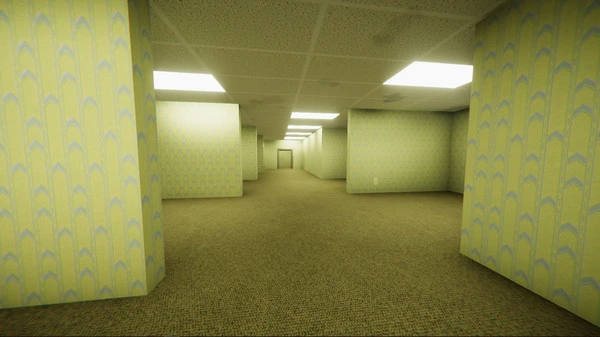
Many female-led horror games feel smaller in scale, but heavier in atmosphere. The environments are often familiar places made unsettling. Hallways, rooms, stairwells, abandoned homes. Spaces that feel close rather than cinematic.
Design choices tend to favor:
- tighter camera framing
- limited escape options
- environments that feel lived in
These settings pull fear inward. You’re not facing horror from a distance. You’re inside it, moving through spaces that don’t give you much room to breathe.
Psychological Continuity and Storytelling
Modern horror often builds fear over time instead of relying on constant shocks. Female protagonists are frequently used to anchor that kind of storytelling, where the experience feels continuous rather than episodic.
Games like Silent Hill 3 and Fatal Frame show how horror becomes more effective when the world reflects what the character is going through. Locations repeat, memories linger, and tension carries from one moment to the next.
The result is horror that stays with the player, not just during scares, but afterward.
Gameplay Built Around Restraint
In many female-led horror games, gameplay avoids giving the player easy release. Combat exists, but it’s limited. Stealth, avoidance, and problem-solving take priority.
This isn’t about making the character fragile. It’s about protecting tension. When the game doesn’t constantly let you fight back, fear has room to build and stay present.
These systems work because they align with the kind of experience horror is trying to create, not because of who the protagonist is.
Female Protagonists in Modern Horror
In modern horror games, female protagonists often sit at the center of experiences that are slower, more personal, and more deliberate. These games tend to avoid excess and focus instead on mood, pacing, and the feeling of being constantly on edge.
- In Alien: Isolation, Amanda Ripley is not designed to overpower her environment. The entire game is built around avoidance, observation, and patience. Her presence supports a horror experience where fear comes from proximity and unpredictability, not combat. The alien is terrifying not because it is aggressive, but because the player is rarely equipped to deal with it directly.
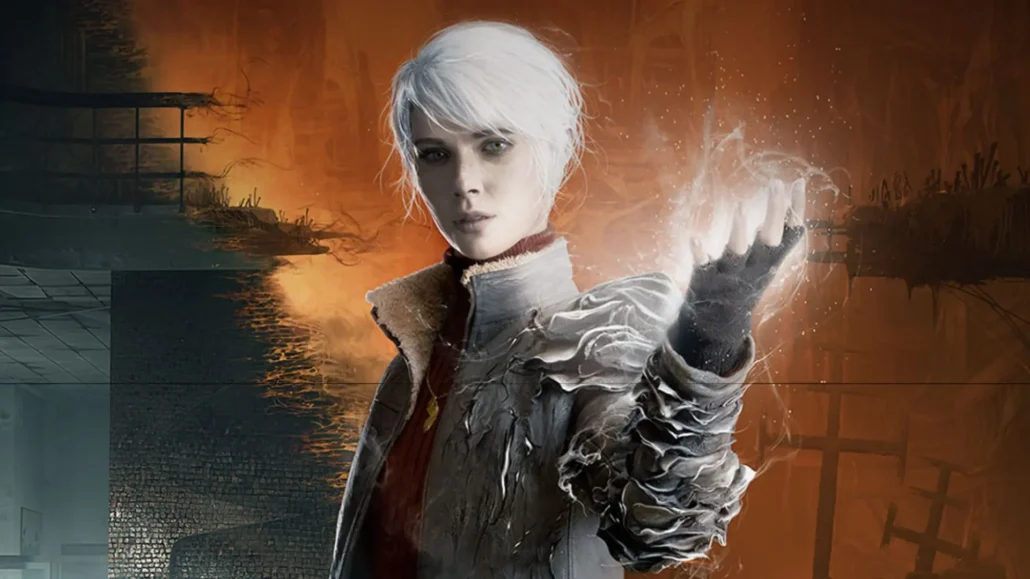
- The Medium uses its female protagonist to explore psychological horror through perspective and memory. The split-world mechanic reinforces a sense of emotional continuity, where environments mirror internal states. Fear builds gradually, carried by atmosphere and implication rather than constant threat.
- In Signalis, the female protagonist exists within a tightly controlled system inspired by classic survival horror. Limited resources, abstract storytelling, and repeated spaces create unease through familiarity and decay. The character’s presence supports a restrained, inward-facing horror that relies heavily on interpretation and mood.
- Even games like Visage, while not action-driven, use female-centered narrative threads and perspectives to ground their horror in domestic spaces and personal trauma. The fear comes from environments that feel close and recognizable, slowly becoming hostile over time.
What these examples share is not a single character type, but a design approach. Female protagonists frequently appear in modern horror games that value tension over release, atmosphere over spectacle, and emotional continuity over escalation. They fit naturally into experiences where fear is meant to linger rather than explode.
Their effectiveness comes from alignment. When horror is designed to feel intimate and persistent, protagonists that support that framing help the experience hold together from start to finish.
Common Misconceptions
There’s a lingering assumption that female protagonists make horror less intense, or that their presence is driven by trends rather than design. In practice, intensity comes from cohesion. Poorly written characters weaken horror no matter who they are.
There’s also the idea that this approach works everywhere. It doesn’t. Some horror relies on chaos, speed, or overwhelming force. Female protagonists are effective when the design supports them, not automatically.
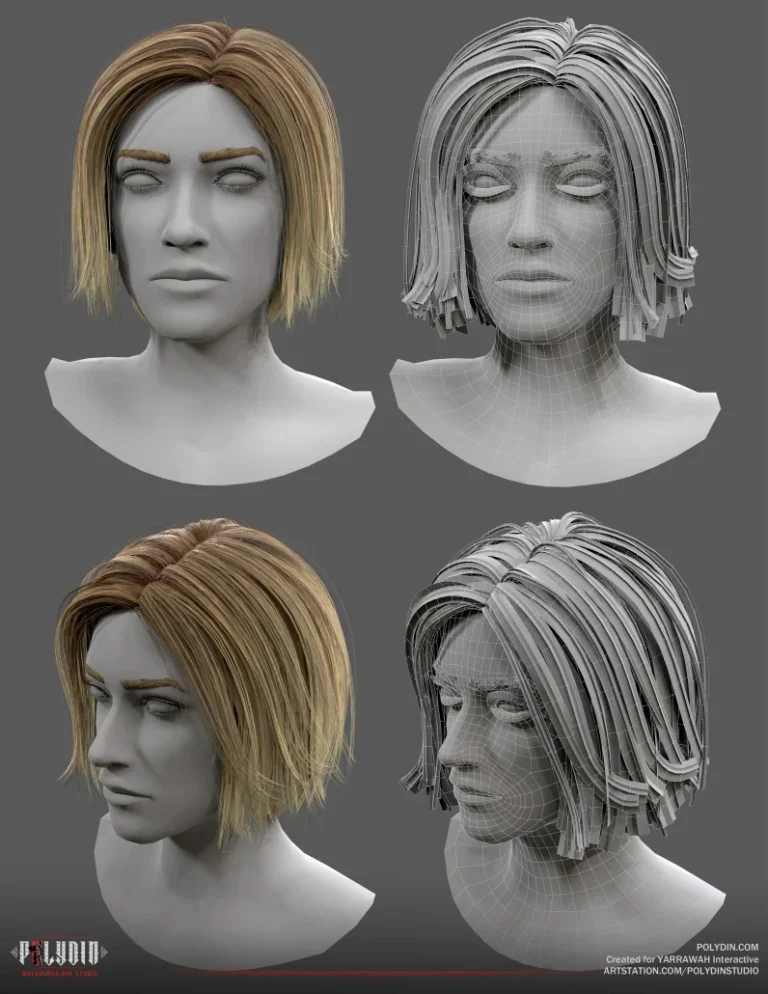
Conclusion
Looking across modern horror games, a clear pattern starts to emerge. Female protagonists appear most often in experiences that slow the player down, limit easy solutions, and keep fear close rather than loud. Whether it’s hiding from an unstoppable threat, moving through familiar spaces that no longer feel safe, or piecing together meaning from fragmented environments, these games are designed to sustain tension instead of releasing it.
What stands out is not the protagonists themselves, but the kind of horror built around them. The examples discussed throughout this article rely on careful pacing, restrained game mechanics, and environments that ask the player to observe before acting. Female protagonists fit naturally into that structure because the genre has narrowed its focus, favoring intimacy and psychological pressure over spectacle.
In that sense, female protagonists did not reshape horror by changing its identity. They became prominent because horror clarified its priorities. As the genre continues to explore quieter, more personal forms of fear, these characters remain a clear expression of how modern horror chooses to unsettle the player, not through power, but through perspective.
FAQs
Are modern horror games more character-driven?
Yes, but not in the traditional sense of heavy dialogue or constant exposition. Modern horror games tend to be more character-driven in how they frame the experience rather than how much story they tell outright. The protagonist’s perspective shapes pacing, camera placement, and how the player interacts with danger.
In many contemporary horror titles, fear is built around staying with a character over time, understanding their situation through environment and repetition instead of cutscenes. This is why modern horror often feels more personal. The game is less concerned with explaining everything and more focused on keeping the player emotionally aligned with the character as tension slowly builds.
What should developers consider when writing female horror protagonists?
Developers should start by thinking about function, not identity. A strong horror protagonist is defined by how well they support the experience the game is trying to create. This means understanding the role the character plays in pacing, perspective, and player behavior before focusing on backstory or traits.
Female horror protagonists work best when they are written as grounded individuals with clear motivations and agency. Their presence should feel natural within the world, not symbolic or explanatory. Horror relies on consistency, so the character’s reactions, limitations, and decisions need to align with the mechanics and tone of the game.
Most importantly, avoid writing toward assumptions. Fear comes from uncertainty and exposure created by design, not from gendered characteristics. When the character, gameplay systems, and environment reinforce the same sense of tension, the protagonist feels believable and the horror holds together.
How does character design affect fear in horror games?
Character design has a direct impact on how fear is experienced because it shapes how the player moves, reacts, and reads danger. This isn’t just about visual appearance. It includes animation weight, movement speed, posture, reactions to threats, and how much control the player feels at any given moment.
In horror games, characters designed with deliberate movement and restrained abilities tend to keep tension alive longer. When actions take time and mistakes feel costly, players think before they act. This creates hesitation, and hesitation is where fear settles in. A character that feels too responsive or powerful often shortens that emotional window.
Character design also affects how players emotionally connect to the experience. Subtle details, breathing sounds, flinches, or exhaustion cues make danger feel closer and more personal. When these elements align with the game’s pacing and mechanics, fear becomes something the player carries throughout the experience, not just something triggered by sudden events.
Sources
Polydin uses only high-quality sources, including peer-reviewed studies, to support the facts within our articles.
- Retro Style Games — Horror Game Female Characters
An overview of notable female characters in horror games, exploring roles, archetypes, and how their design contributes to psychological tension and narrative.
https://retrostylegames.com/blog/horror-game-female-characters/ - Gamerant — Forgotten Horror Games Female Protagonists Ranked
A ranked list of female protagonists in lesser-known horror titles, highlighting character impact and legacy within genre design and storytelling.
https://gamerant.com/forgotten-horror-games-female-protagonists-ranked/ - G2A News — Best Female Horror Game Protagonists
Feature article showcasing influential female leads in horror games, with design insights into what makes these protagonists memorable.
https://www.g2a.com/news/features/best-female-horror-game-protagonists/ - Screen Rant — Best Horror Game Female Protagonists
Discussion of leading female characters in horror games and the narrative or gameplay roles they play in defining player experience.
https://screenrant.com/best-horror-game-female-protagonists-lead-characters/