


In the past, players would buy a game, play it, and then move on to the next one. Today, most popular video games like Fortnite and League of Legends continue to be popular and get better over time even after they are released. Games-as-a-Service (GaaS) is a model that makes games into ever-evolving platforms, rather than one-time products. This evolution is powered by GaaS.
Developers used to release a game that was ready to play. Now, they release worlds that keep getting bigger with new content, events, and rewards. This makes players want to keep playing and paying even after the game has been released. For players, it means always being fresh and feeling like part of a community. For studios, it’s a creative and business model that can last and that is changing the industry.
In this blog post on Polydin Game Art Studio, we explore how GaaS works, why it has become the dominant force in modern gaming, and what this ongoing transformation means for developers, players, and the future of digital entertainment.
What is Games-as-a-Service?
Games-as-a-Service is a revolutionary business model where games are treated as ongoing services rather than one-time product purchases. Unlike traditional games that are developed over several years, shipped as complete packages, and then largely left unchanged except for occasional patches, GaaS titles are continuously updated, expanded, and supported over extended periods, often spanning many years or even decades.
The core philosophy underlying GaaS centers around player retention and long-term engagement rather than immediate sales satisfaction. Instead of creating finite experiences that players complete and then abandon for the next purchase, developers design games to be perpetually engaging through regular content updates, seasonal events, community features, competitive elements, and constantly evolving gameplay mechanics. This approach creates a symbiotic relationship between developers and players, where ongoing support and development is funded by continuous player investment in both time and money.
GaaS titles typically feature persistent online components that connect players across the globe, robust social features that encourage community building, and sophisticated progression systems designed to keep players returning daily, weekly, and monthly. They strategically blur the lines between single-player and multiplayer experiences, often incorporating elements of both to create comprehensive entertainment ecosystems that extend far beyond traditional gaming sessions into social networking, competitive sports, and cultural phenomena.
GaaS Model: How It Works
The Games-as-a-Service model operates on several interconnected principles that fundamentally distinguish it from traditional game development and distribution methodologies. At its foundation, GaaS requires robust and scalable technical infrastructure capable of supporting continuous updates, persistent online connectivity, real-time multiplayer interactions, and massive player databases without requiring major reinstallations or service disruptions.
The development cycle in Games-as-a-Service represents a dramatic departure from traditional game creation. Rather than working toward a single, definitive release date followed by minimal post-launch support, GaaS developers operate on continuous development cycles with teams specifically structured around live operations, community management, data analytics, content creation, and ongoing technical support. This organizational structure allows for rapid response to player feedback, emerging market trends, and critical issues while maintaining consistent service quality.
Player data and analytics form the absolute backbone of GaaS operations, with developers continuously monitoring vast amounts of information including player behavior patterns, engagement metrics, spending habits, social interactions, and detailed feedback to inform every aspect of development decisions.
This comprehensive data-driven approach enables precise tuning of game systems, targeted content creation, personalized player experiences, and sophisticated monetization strategies that maximize both player engagement and revenue generation.
The monetization structure of GaaS is deliberately designed for long-term sustainability and growth rather than immediate profit maximization. Revenue streams are strategically diversified across multiple channels including initial purchases, monthly or seasonal subscription fees, microtransactions, battle passes, downloadable content expansions, and various premium services. This diversification provides financial stability and allows developers to experiment with different approaches to find optimal balance between player satisfaction and business viability.
Why Gamers Don’t ‘Buy’ Games Anymore
The concept of game ownership has fundamentally shifted in the GaaS era, representing a broader transformation in how consumers interact with digital products and services. Traditional gaming was built around the concrete idea of ownership – players purchased complete products that they could play indefinitely, modify through user-generated content, and even resell to other consumers. Today’s gaming landscape increasingly resembles a service economy where players purchase access rights, licenses, and ongoing experiences rather than tangible, permanent products.
Digital distribution platforms like Steam, Epic Games Store, PlayStation Network, and Xbox Live have dramatically accelerated this transition by making games more immediately accessible while simultaneously making them more ephemeral and dependent on continued service availability. When games exist as digital licenses tied to online accounts rather than physical objects that can be independently owned and transferred, the psychological and practical aspects of ownership become significantly blurred and complicated.
The benefits of this access-based model are substantial and multifaceted for both players and developers. Players gain access to regularly updated content that keeps experiences fresh and evolving, robust community features that enable social interaction and competition, seamless cross-platform compatibility that allows gaming across multiple devices, and sophisticated cloud-based save systems that enhance convenience and accessibility. They no longer need to worry about losing physical media, dealing with compatibility issues on new hardware, or missing out on post-launch improvements and content additions.
For developers and publishers, the access model enables continuous revenue generation that supports ongoing development, direct relationships with players that facilitate feedback and community building, and the unprecedented ability to evolve and improve games based on real-time player data and market conditions. This model also provides valuable protection against piracy while enabling more sophisticated analytics and personalization.
However, this fundamental shift has also created new challenges, concerns, and potential drawbacks that affect the gaming community. Players have significantly less control over their gaming experiences, with developers able to modify, remove, or fundamentally alter content at will through mandatory updates. The heavy reliance on persistent online connectivity means games can become completely unplayable if servers are shut down, services are discontinued, or technical issues occur, raising serious questions about long-term game preservation and the protection of player investments.
Big Names in GaaS
Some of the biggest names in Games-as-a-service include, but are not limited to:
World of Warcraft
Blizzard Entertainment’s World of Warcraft pioneered many of the fundamental concepts that define modern GaaS, establishing the subscription-based MMO model that dominated online gaming for over a decade. The game’s innovative approach to continuous content updates through regular patches and major expansion packs, combined with sophisticated community building tools and persistent character progression, created a template that influenced countless subsequent GaaS implementations. World of Warcraft’s remarkable ability to maintain millions of active subscribers for nearly two decades demonstrates the extraordinary potential longevity and profitability of well-executed service games.
Dota 2
Valve Corporation’s Dota 2 revolutionized competitive gaming and esports integration within the GaaS framework, proving that free-to-play models could support high-quality, complex gaming experiences. The game’s entirely cosmetic monetization system, supported exclusively through character skins, battle passes, and tournament integration, demonstrated that profitable games could be created without charging players for gameplay advantages or creating pay-to-win scenarios. Dota 2’s annual International tournament and its innovative crowdfunded prize pools showcased how GaaS models could directly support massive esports ecosystems and professional gaming careers.
CS2 (Counter-Strike 2)
The evolution from Counter-Strike: Global Offensive to Counter-Strike 2 perfectly exemplifies how established gaming franchises can be successfully transformed into modern GaaS offerings. The deep integration of weapon skin economies, sophisticated competitive ranking systems, regular content updates, and Steam marketplace integration has created a completely self-sustaining ecosystem where player-generated value through trading, collecting, and competitive achievement drives significant economic activity and long-term engagement.
Fortnite
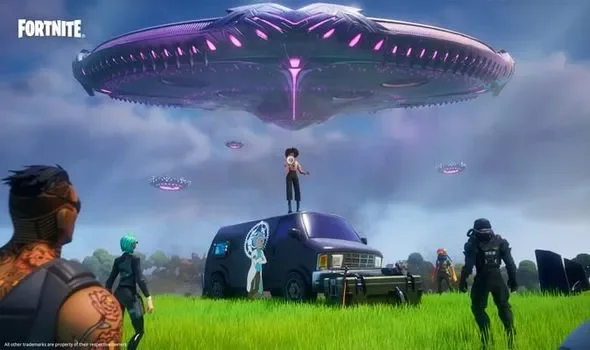
Epic Games’ Fortnite represents perhaps the most successful and culturally impactful example of contemporary GaaS implementation. The game’s free-to-play model, combined with innovative seasonal battle pass systems, seamless cross-platform compatibility, and unprecedented cultural integration through collaborations with musicians, movie franchises, and major brands, has created a gaming phenomenon that transcends traditional entertainment boundaries to become a genuine cultural platform and social space.
League of Legends
Riot Games’ League of Legends established the definitive free-to-play MOBA template and conclusively proved the long-term viability of cosmetic-only monetization strategies for competitive games. The game’s intense focus on professional esports, regular champion releases, seasonal gameplay updates, and community engagement has maintained extraordinary player engagement and revenue generation for over a decade while serving as the foundation for one of the world’s most successful esports ecosystems.
Business & Monetization in GaaS
The video game monetization strategies employed in successful GaaS titles represent a sophisticated evolution of traditional game business models, designed to generate consistent revenue throughout the entire player lifecycle rather than relying on single point-of-sale transactions.
Battle Passes
Battle passes have emerged as one of the most successful and player-friendly monetization innovations in modern gaming history. These seasonal progression systems offer players a structured, goal-oriented way to earn exclusive rewards over extended time periods while providing developers with highly predictable revenue streams and engagement metrics.
The battle pass model creates psychological urgency through limited-time availability while offering substantial perceived value through carefully designed tiered reward systems that strategically combine free and premium content to encourage purchases.
Microtransactions and Virtual Economies
Modern microtransaction systems have evolved far beyond simple add-on content purchases to include cosmetic customization items, convenience features, progression accelerators, and sophisticated virtual currencies that create complex, player-driven economies within game environments. The key to successful microtransaction implementation lies in offering meaningful value and personalization options without compromising competitive balance or creating exploitative pay-to-win scenarios.
Steam Economic Models and CS Case Study
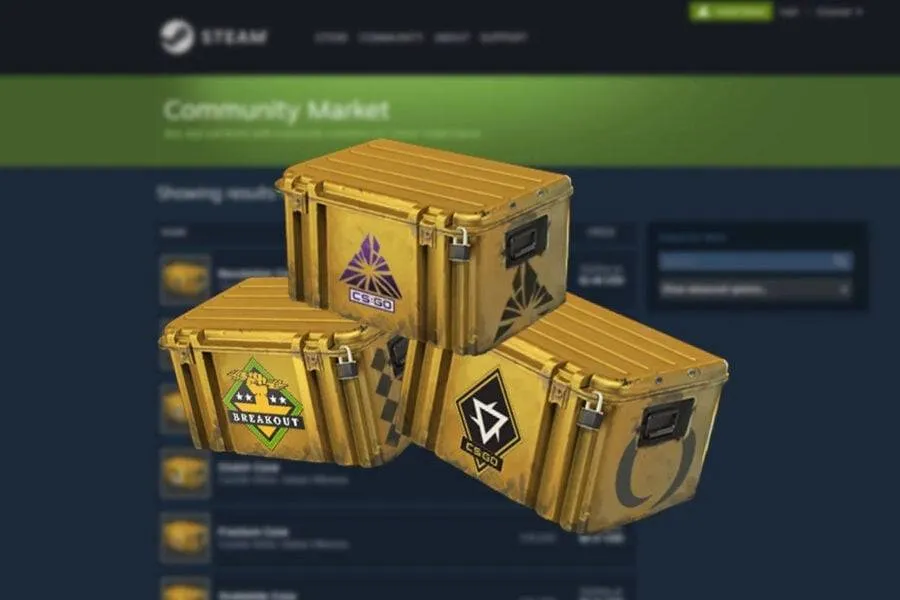
Counter-Strike’s weapon skin economy represents one of the most fascinating examples of player-driven virtual economics, generating hundreds of millions of dollars in trading value. The system combines random loot box mechanics with Steam marketplace integration to create speculative markets where rare items can sell for thousands of real dollars, demonstrating how GaaS can enable entirely new forms of player investment and economic participation.
The Rise of ‘Grinding-as-a-Service’
The GaaS emphasis on daily login rewards, battle pass progression, seasonal events, and time-limited content has inadvertently created scenarios where gaming can begin to resemble work obligations more than recreational entertainment. This phenomenon, critically dubbed “grinding-as-a-service,” occurs when game progression systems are specifically tuned to encourage daily engagement through fear of missing out rather than intrinsic enjoyment of gameplay mechanics.
Are Traditional Single Player Games Dying Out?
Despite the overwhelming dominance of GaaS in revenue generation and player engagement metrics, traditional single-player games continue to find significant commercial and critical success in the modern gaming landscape.
Recent successes like The Witcher 3, God of War, and The Last of Us demonstrate that substantial demand remains for complete, narrative-driven experiences that prioritize storytelling craftsmanship and artistic vision over ongoing engagement metrics.
The Cloud and the Controller: Tech Powering GaaS
Modern GaaS requires extraordinarily complex technological infrastructure encompassing cloud computing, advanced networking, real-time data analytics, and global content delivery systems that work together to create seamless player experiences across multiple platforms, devices, and geographic regions. This infrastructure must support millions of concurrent players while maintaining consistent performance and enabling rapid content updates.
Future Trends in Games-as-a-Service
The future of GaaS will be shaped by emerging technologies including artificial intelligence for personalized content generation, virtual and augmented reality for immersive experiences, cloud gaming for device-independent access, and regulatory changes addressing monetization practices and player protection. These developments will likely create new opportunities while addressing current limitations and concerns.
Final Words
Games-as-a-Service represents more than just a business model evolution; it reflects a fundamental transformation in how we conceptualize digital entertainment, community building, and value creation in the modern connected economy.
While challenges remain around player protection and preserving gaming’s artistic integrity, GaaS has demonstrated remarkable potential for creating engaging, sustainable entertainment experiences that evolve alongside their communities. The future will likely accommodate both service-based and traditional approaches, with success depending on matching appropriate models to specific player needs and creative visions.