

Every year, classic games return with sharper graphics, new features, or complete rebuilds. But not all re-releases are created equal, and it often leaves players wondering why some revived titles feel brand new while others feel only lightly refreshed.
A lot of this confusion comes from the terms publishers use. Many players still struggle to tell the difference between a remake and a remaster, even though the gap between the two can be huge. You might expect a full transformation and instead get a simple visual upgrade, or the opposite: a game that feels so different it barely resembles the original.
Understanding this distinction matters more than ever in 2025. Studios are revisiting their older franchises more frequently, and players want to know what kind of experience they are buying into. Clear expectations help everyone. Gamers understand the value, and developers can communicate their goals more easily.
This guide of Polydin Game art sutdio explains what remasters and remakes actually are, why studios choose one approach over the other, how each affects gameplay and visuals, and how players benefit from both.

What Exactly Is a Game Remaster
A remaster is an upgraded version of an existing game that keeps most of its original assets. The goal is to refresh visuals, audio, and performance while keeping the core identity intact.
Why It Matters
Remasters are important because they preserve classic games for modern hardware. Players get smoother performance and better image quality without losing the look and feel of the original. Since remasters are quicker and more affordable to produce, studios can bring back older titles more often and keep them accessible instead of letting them fade into outdated systems.

What Exactly Is a Game Remake
A remake is a rebuilt version of an older game created from scratch with modern tools and new assets. While it usually follows the spirit or story structure of the original, almost everything in a remake is reimagined, redesigned, or recreated.
Why It Matters
Remakes let studios modernise beloved classics on a much deeper level. They can fix outdated game mechanics, expand the world, refine story moments, and bring the entire experience up to contemporary standards. In many cases, the remake becomes the definitive version for new generations of players.
Remake vs Remaster: The Core Differences
To understand how different these two approaches really are, it helps to break them down into the areas where remakes and remasters usually diverge the most.
- Visual Upgrade
Remasters add polish and sharper resolution. Remakes rebuild environments, lighting, animations, and character models from the ground up.
- Gameplay Changes
Remasters might add small tweaks such as updated controls or improved menus. Remakes often redesign core systems like combat, movement, or enemy AI.
- Asset Creation
Remasters reuse original textures, models, and audio. Remakes create new assets entirely, including art, sound, music, and sometimes voice acting.
- Development Effort
Remasters involve lighter work and smaller budgets. Remakes require full-scale production, similar to developing a new game.
- Player Expectation
A remaster aims to preserve nostalgia with a cleaner presentation. A remake aims to deliver a fresh experience that respects the old one while feeling built for today.
How the Remake and Remaster Trend Works in 2025
Studios rely more heavily on their back catalog because established franchises come with built-in audiences. Nostalgia-driven gaming is also stronger than ever, and many players discovering older titles for the first time want them to feel modern.
New engines, ray tracing, improved physics, and AI-assisted tools have made high-quality remakes more achievable. At the same time, remasters remain a practical way to revive older games quickly and keep them available.
Some franchises receive a remaster first and a full remake years later. When demand grows or technology improves, a remake becomes a safer and more valuable investment. From a business perspective, both approaches reduce risk compared to launching a completely new IP.
Challenges and Possible Solutions in Remakes and Remasters
Balancing Nostalgia with Modern Expectations
Players want the original feeling to stay intact, yet they also expect modern visuals and smoother controls that match today’s standards. To handle this, many studios offer optional classic modes, toggleable audio, or updated control schemes that still respect how the original played, giving both nostalgic and new players a comfortable middle ground.
Technical Limitations from Old Engines
Older engines and assets often resist clean conversion to modern tools, which can limit how far a remaster or remake can go. Developers usually work around this by using AI-assisted upscaling, rebuilding key assets manually, or porting the project into a newer game engine while preserving the original structure so the game still feels authentic.
Player Backlash When Changes Feel Too Extreme
Not all players respond positively when story beats, character arcs, or pacing differ from the original. To ease this, studios try to preserve core narrative themes, involve original writers when they can, and communicate upcoming changes early through dev diaries or previews so players understand the creative reasoning behind them.
Budget and Time Constraints
Remakes often demand larger teams and longer production cycles, which can push studios toward more conservative choices. A common approach is to focus resources on the gameplay systems that matter most, reuse audio or narrative elements when appropriate, and plan development in phases to keep the project manageable without compromising quality.
Maintaining Consistency Across Platforms
Performance can vary significantly between PC, consoles, and handheld devices, which creates challenges when trying to deliver a consistent experience. Teams usually rely on adaptive resolution, well-tuned presets, and platform-specific patches to ensure the game feels stable and responsive regardless of where it is played.
Conclusion
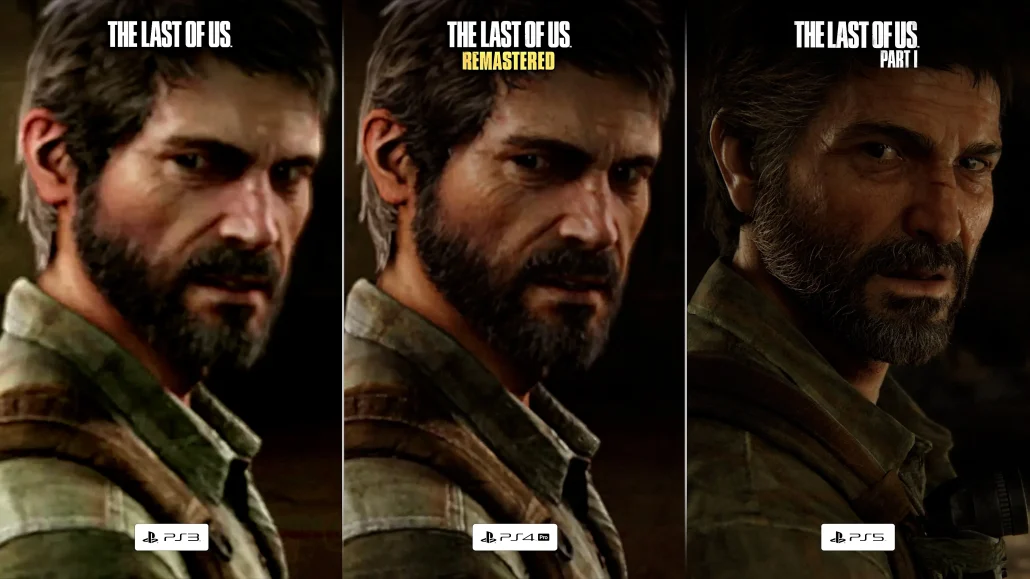
Remakes and remasters share a purpose but serve different needs. A remaster lets players revisit a classic with cleaner visuals, while a remake rebuilds that world for a new era. Both approaches play a role in preserving gaming history and introducing older stories to new players.
As someone who grew up replaying old favourites, I see remasters as a comfortable return to familiar memories. Remakes feel like opening a door to the same world but seeing it with new eyes. Each approach comes with its own strengths, and together they keep the past alive while giving it room to grow.