
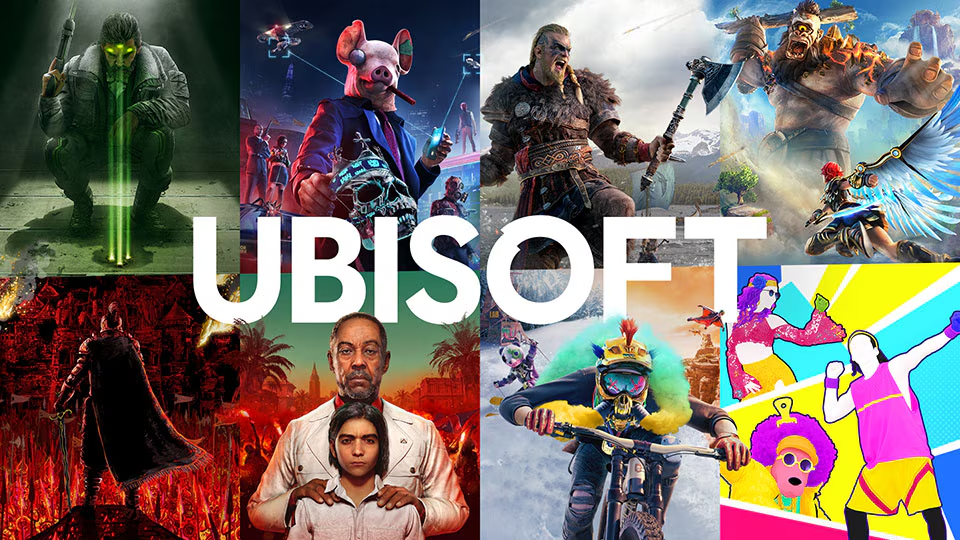
 Ubisoft
- Location: France
- Best games: Assassin’s Creed series, Far Cry series, Rainbow Six Siege
Ubisoft remains Europe’s largest and most operationally complex game developer. Its defining strength is not just scale, but its ability to sustain massive franchises over long timelines. With dozens of studios contributing to shared pipelines, Ubisoft has refined a production model built around iteration, live content, and long-term player retention. While creative consistency remains a challenge, its capacity to ship and support AAA games at volume keeps it central to the European industry.
 CD Projekt RED
- Location: Poland
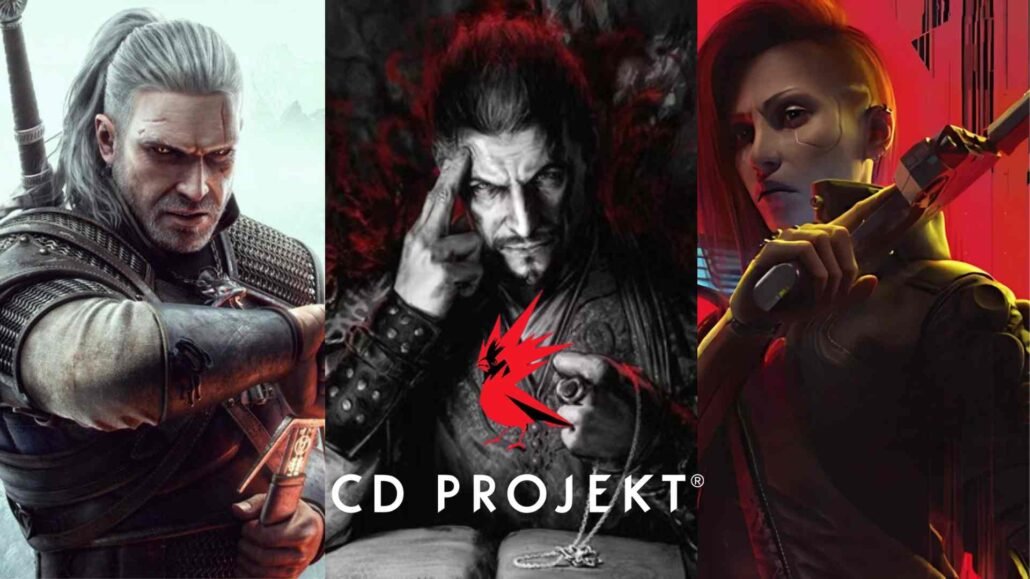
- Best games: The Witcher 3, Cyberpunk 2077,The Witcher 4
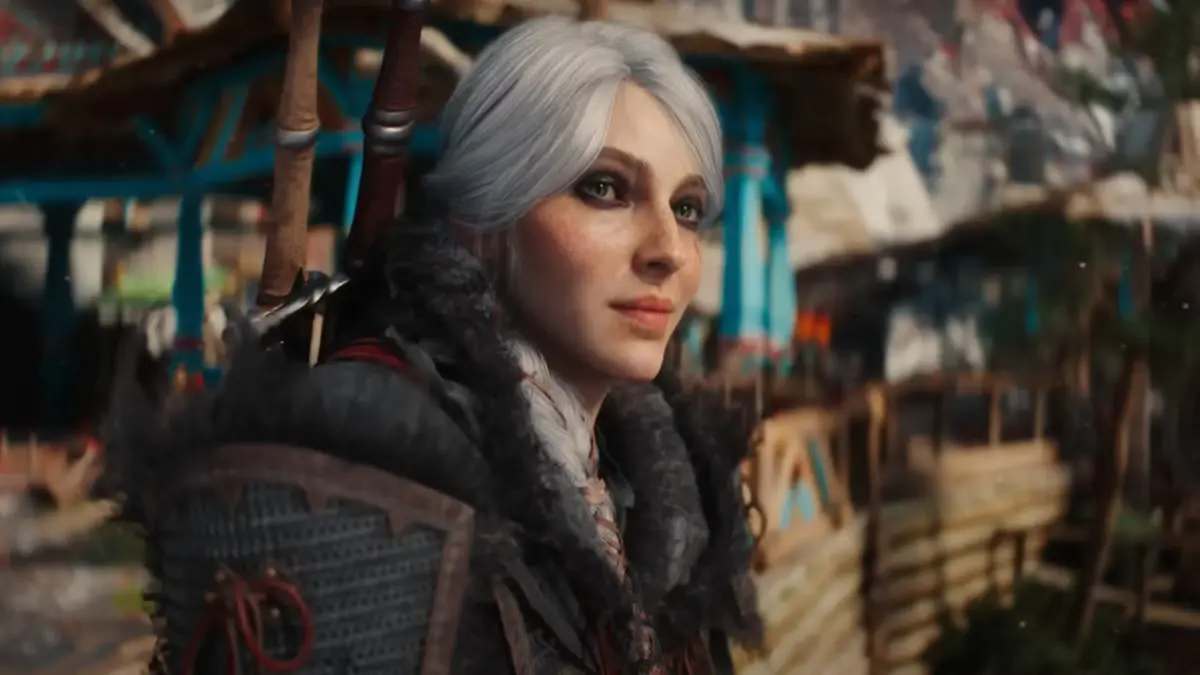
CD Projekt red represents a high-risk, high-reward development philosophy. The studio focuses on a small number of large projects, investing heavily in narrative depth, world-building, and post-launch support. After a difficult period, its commitment to long-term fixes and expansions has reinforced its reputation for persistence. Few European studios command the same level of global attention when they release a new title.
 Paradox Interactive
- Location: Sweden
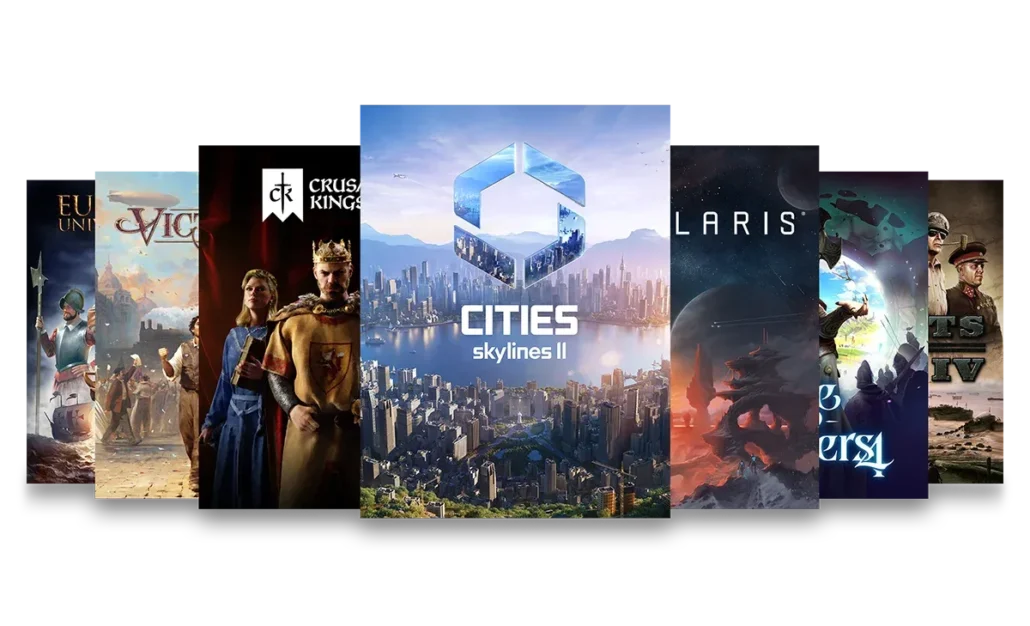
- Best games: Crusader Kings III, Stellaris, Europa Universalis IV
Paradox Interactive dominates the grand strategy and simulation space. Its games are designed to evolve over many years through expansions, mods, and community involvement. Rather than chasing mass-market appeal, Paradox builds deep systems for highly engaged players. This long-tail approach has proven both creatively and financially resilient, making Paradox one of Europe’s most stable developers.
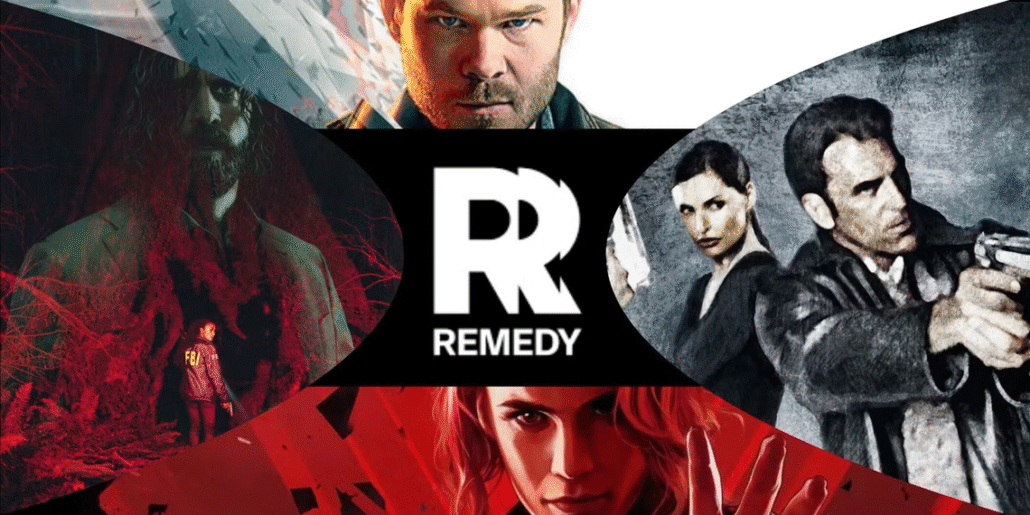
 Remedy Entertainment
- Location: Finland
- Best games: Control, Alan Wake 2, Max Payne
Remedy is known for blending cinematic storytelling with experimental structure and strong technical identity. Its games are immediately recognizable in tone and presentation. Remedy does not release frequently, but each project pushes narrative form and atmosphere in ways few studios attempt. That creative confidence has earned it a distinct place in the European development landscape.
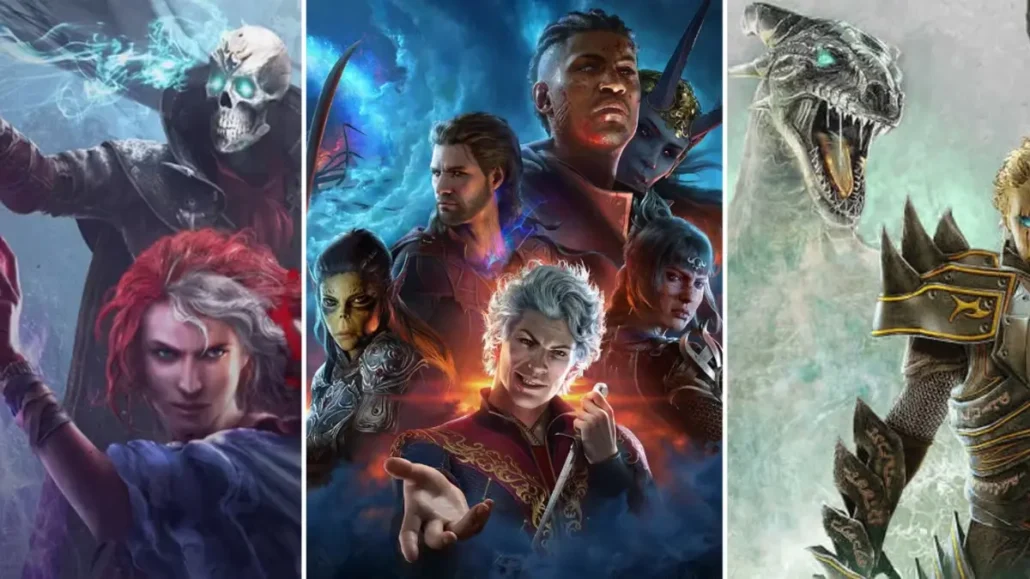
 Larian Studios
- Location: Belgium
- Best games: Baldur’s Gate 3, Divinity: Original Sin 2
Larian’s success is rooted in patience and process. The studio builds complex, system-driven RPGs through long development cycles and constant iteration, often involving players early through testing phases. Rather than simplifying mechanics for scale, Larian embraces player freedom and emergent gameplay. Its recent success has reasserted the relevance of deep, choice-driven RPGs in the modern market.
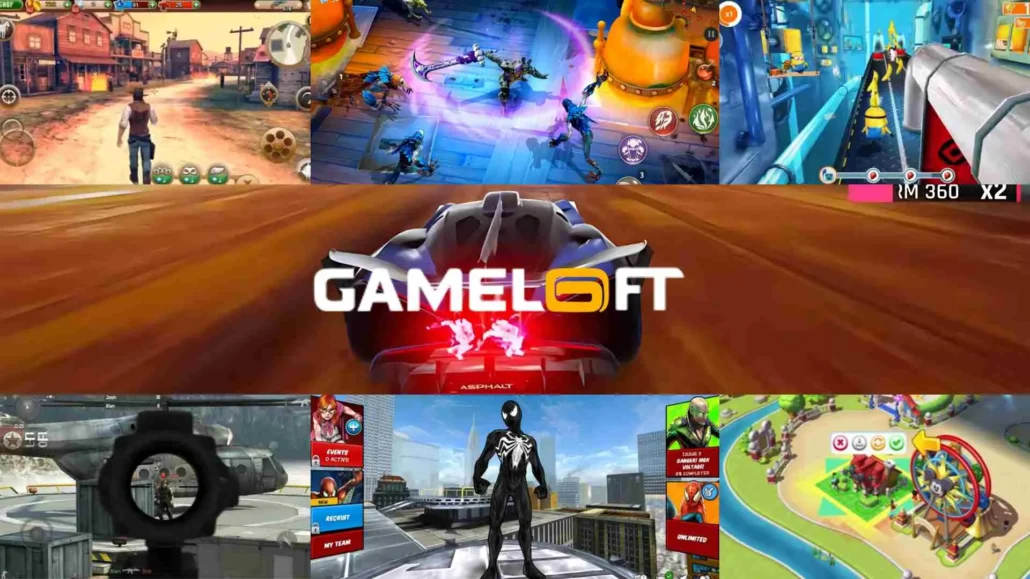
 Gameloft
- Location: France
- Best games: Asphalt 9, Disney Speedstorm, Modern Combat
Gameloft remains one of Europe’s most experienced mobile-first developers. Its strength lies in understanding live operations, content cadence, and licensed IP execution. As mobile and cross-platform development continue to converge, Gameloft’s production discipline and long-term service experience keep it highly competitive in a crowded market.
 Thunderful Group
- Location: Sweden
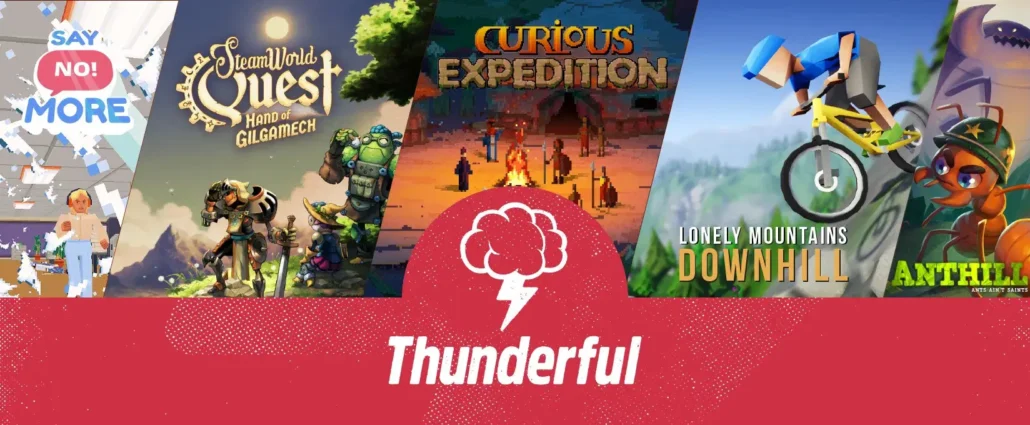
- Best games: SteamWorld Dig 2, SteamWorld Heist, Lost in Random
Thunderful operates in the space between indie creativity and structured AA production. The company supports distinctive projects with strong artistic identity while providing enough stability to ship consistently. This balance allows Thunderful to take creative risks without relying on blockbuster economics, making it an important force in Europe’s premium indie segment.
 EG7
EG7
- Location: Sweden
- Best games: EverQuest, PlanetSide 2, H1Z1
EG7 focuses heavily on online and service-oriented games. Its experience lies in maintaining persistent worlds, managing long-term communities, and supporting technically complex live products. Rather than chasing trends, EG7 emphasizes operational reliability and sustained engagement, which remains critical as live-service expectations continue to rise.
 Focus Entertainment
- Location: France
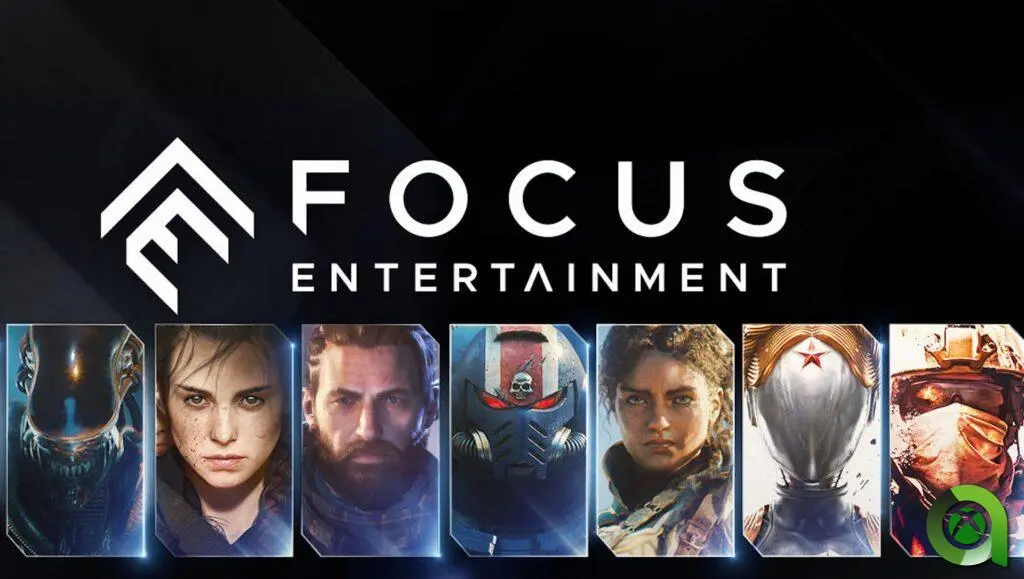
- Best games: A Plague Tale: Requiem, SnowRunner, Atomic Heart
Focus Entertainment has built its reputation around tightly scoped AA games that prioritize strong mechanics and clear creative direction. Sitting between indie and AAA, Focus-backed projects often succeed by knowing exactly what they are not trying to be. This discipline has allowed the company to deliver memorable experiences without runaway budgets.
 Nacon
Nacon
- Location: France
- Best games: GreedFall, WRC series, Steelrising
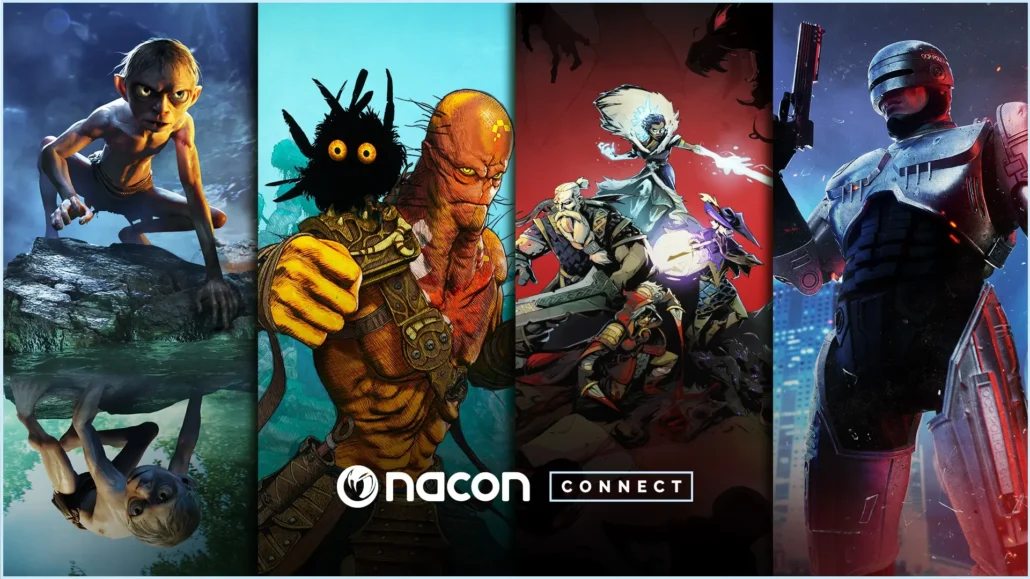
Nacon specializes in mid-budget console and PC titles, often within simulation-heavy or licensed genres. Its vertically integrated approach gives it tight control over production and release schedules. While its games rarely aim for blockbuster scale, Nacon’s consistency and genre focus have made it a reliable presence in Europe’s AA development space.